

Solar Lessons, End-of-Year Activities, and May Classroom Resources
Ready-to-use lessons, real-world connections, and practical ideas for the final stretch
May brings a little bit of everything to your classroom. Exams are around the corner. Schedules start to shift. And you might be asking yourself:
How do I wrap this up in a way that actually sticks?
Your students have built a foundation. They’ve learned key concepts, explored energy systems, and practiced analyzing data. What they need now is the chance to connect those ideas, apply them, and see how they matter in the real world.
That’s what this month’s resource drop is built for.
You’ll find hands-on investigations, end-of-year activities, and lessons you can use without a lot of extra prep, so you can keep students engaged while still keeping pace with everything May brings.
A Hands-On Solar Investigation for the End of the Year
What would it take to power your school with solar energy?
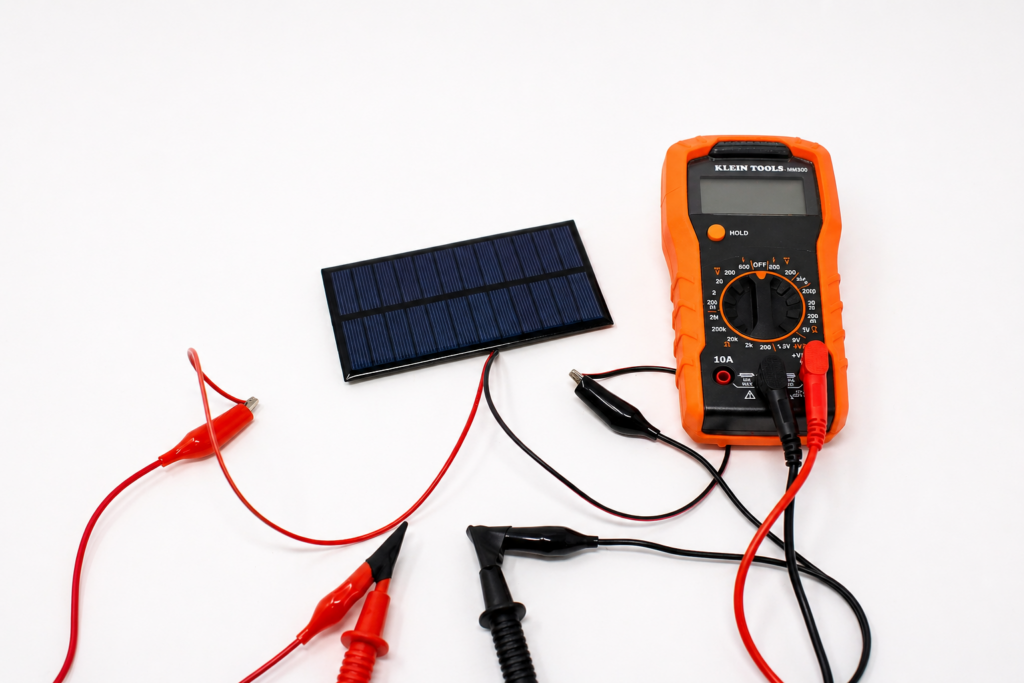
In this multi-day, student-driven investigation, students act as solar consultants tasked with designing a photovoltaic (PV) system to charge school laptops.
Students will:
- Calculate energy demand and size a solar array based on real usage
- Evaluate and compare potential installation sites using evidence
- Design and conduct their own controlled experiment on PV efficiency
- Collect and analyze data (voltage, current, and/or power)
- Apply experimental results to improve system design decisions
- Present a final, evidence-based solar solution
This project blends physics, engineering, and data analysis, culminating in a scientific presentation where students defend their design choices using real data.
End-of-Year Activities That Still Feel Meaningful
By May, you’re probably balancing two things: keeping students engaged and making the time count.
The End-of-Year Activities collection is built for that final stretch. Instead of adding a brand-new unit, these activities help students connect what they’ve already learned about energy, systems, trade-offs, and everyday decisions.
If you need something low-prep and ready to use, start with the Switch On Film and Discussion Guide. Film and discussion can be a strong sense-making tool when students are given a focus question before watching and time to connect the film back to what they’ve studied after. Students can think about energy access, resources, electricity, quality of life, and the decisions communities make around energy.
If you have a few class periods, projects like the Energy Production Fair and National Energy Issues Debate give students a chance to research, use evidence, compare trade-offs, and explain how energy decisions fit into larger systems.
For something more personal and applied, the Home Electricity Audit, Power Down Challenge, and Recycling Waste Audit help students connect classroom concepts to daily routines at home and school.
And if you want a deeper, data-driven project, the Solar Panel Efficiency Investigation asks students to act as solar consultants, estimate school laptop energy demand, evaluate possible installation sites, design a controlled PV efficiency experiment, and present an evidence-based solar recommendation.
If you need something lighter or more seasonal, Sunshine & Science Volumes 1 and 2 give students summer-friendly ways to keep connecting energy learning to sunlight, heat, electricity use, outdoor spaces, and everyday choices. Keep an eye out for Volume 3, coming this summer.
These activities work well for post-testing days, shortened class periods, or the unpredictable schedule between exams, events, and the last day of school. They help students do more than stay busy—they help them make sense of the science they’ve been learning all year.
APES Exam Prep: What You Can Use Right Now
If you’re teaching APES, this is where review starts to take priority.
Your students don’t need brand new content. They need reinforcement, practice, and confidence.
The APES collection is built to support that, with:
- Review activities you can plug in right away
- Strategies from experienced APES teachers
- Quick lessons to revisit key ideas
Whether you need a full review activity or something for tomorrow’s class, these resources are ready to help.
New May Lessons: Bringing Energy Concepts into Real Life
Alongside the solar lab, there are a few new lessons you can bring in to keep things relevant and engaging.
Intro to Energy Access
Understanding How Energy Shapes Development
Access to reliable energy plays a major role in quality of life and economic growth.
In this lesson, students investigate:
- What energy access looks like around the world
- How electricity supports development and infrastructure
- The relationship between energy use and standard of living
- Challenges to expanding energy access globally
- Trade-offs countries face when building energy systems
This resource builds foundational understanding of how energy connects to real-world development challenges.
Developing on Coal
How Energy Drives Economic Growth
Many countries have relied on coal to build their economies, and many still do today.
In this lesson, students investigate:
- How coal supported industrialization in developed countries
- Why developing nations continue to rely on coal today
- The relationship between energy use and manufacturing growth
- Data trends comparing coal use across countries over time
- Trade-offs between economic development and environmental impacts
Through data analysis and a hands-on simulation, students explore how energy access fuels development and shapes long-term decisions.
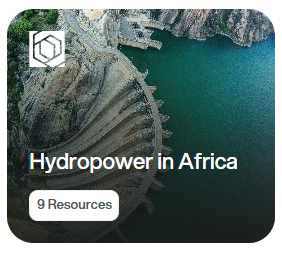
Hydropower in Africa
Energy Resources and Regional Decision-Making
Hydropower plays a major role in electricity generation across parts of Africa.
In this lesson, students investigate:
- How hydropower generates electricity using moving water
- Why some regions rely heavily on hydropower
- Benefits of hydropower for energy production
- Environmental and social impacts of dam construction
- Trade-offs between energy needs and ecosystem impacts
This resource helps students analyze how geography and resources influence energy decisions.
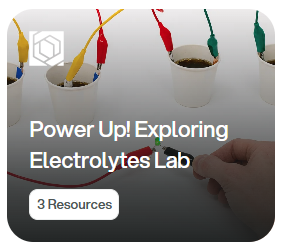
Electrolytes Lab
Investigating Conductivity and Solutions
Not all solutions conduct electricity the same way—and students test it firsthand.
In this lab, students investigate:
- What electrolytes are and how they work
- How dissolved substances affect electrical conductivity
- Differences between strong and weak electrolytes
- How to collect and interpret experimental data
- Real-world connections to chemistry and energy systems
This hands-on lab builds core chemistry concepts through direct observation and data collection.
Looking Ahead: Summer PD and Opportunities
You might also be thinking about what’s next.
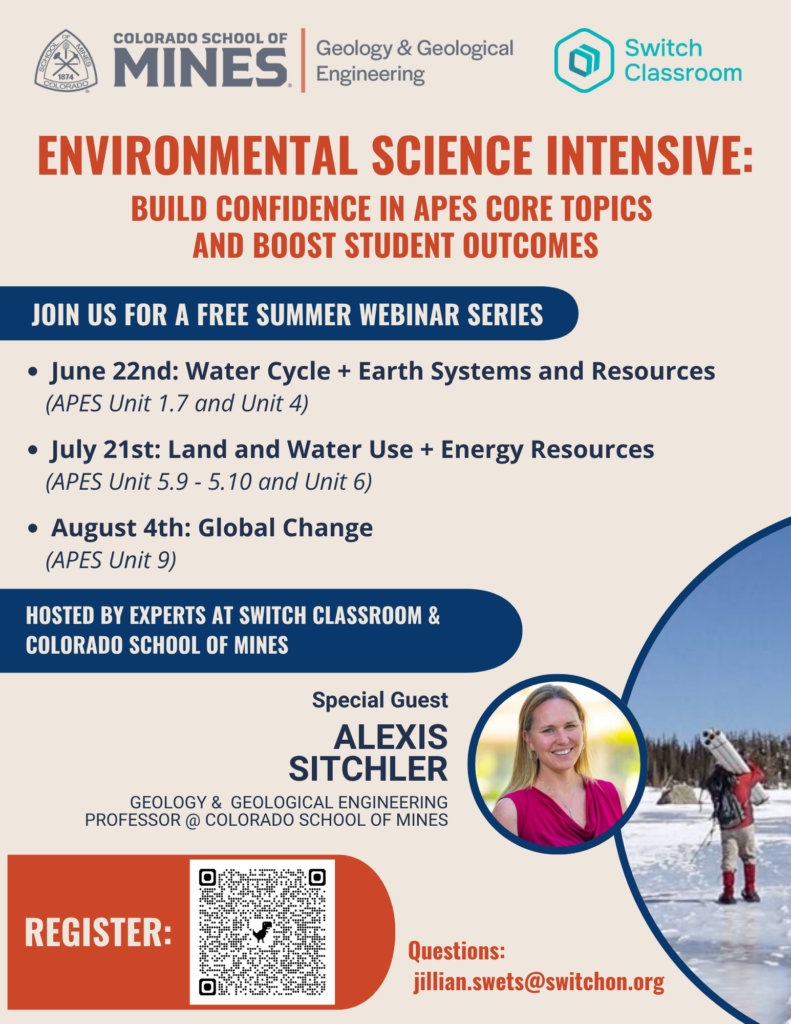
We’re offering a free Environmental Science webinar series this summer in partnership with Colorado School of Mines, focused on:
- Content support
- Instructional strategies
- Improving student outcomes in APES
There are also AP Summer Institute grants available if you’re planning ahead for professional learning.
Finishing the Year Strong
April was about creating opportunities to connect learning through real-world questions and discussions.
May is when those connections can start to come together.
These resources are here to help your students:
- Apply what they’ve learned
- Explore real-world energy decisions
- Stay engaged through the final weeks
Each one works on its own. But together, they help move students toward a clearer understanding of how energy systems shape the world around them.
If you’re looking for ways to keep things meaningful in May, these are ready when you are.
Stay in the Loop with Monthly Energy Resources
If you want these kinds of lessons and updates sent straight to your inbox, you can sign up for the newsletter.
Each month, you’ll get:
- Classroom-ready energy and environmental science lessons
- Resources that match what’s happening in your classroom right now
- Free PD opportunities and tools
- Ideas to keep students engaged during busy times of year