
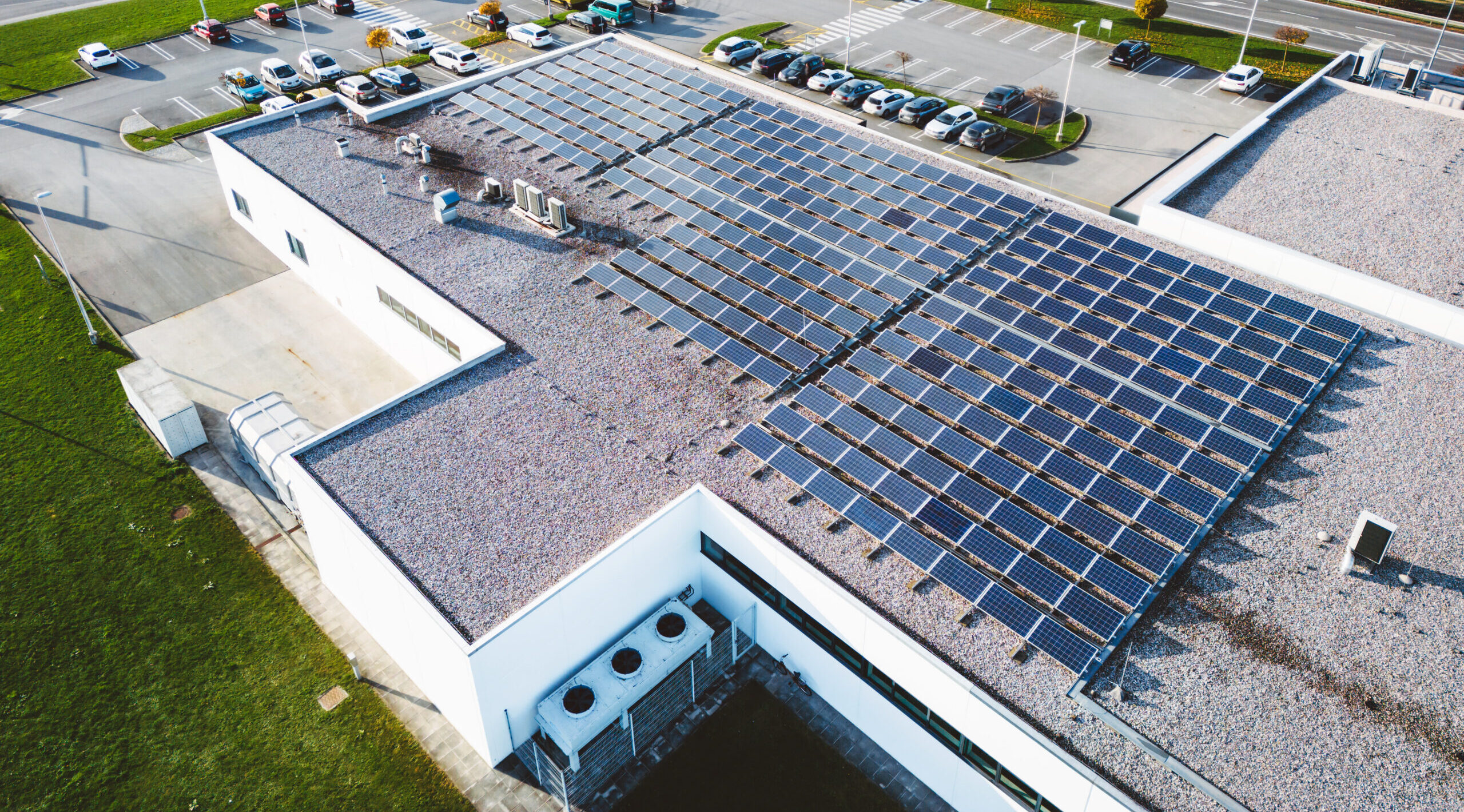
Student-Designed Solar Photovoltaics Investigation

Summary

Student-Designed Solar Photovoltaics Investigation

The Student-Designed Solar Photovoltaics Investigation is a multi-week, project-based lesson that asks students to act as solar energy consultants and answer a real-world driving question: Can a solar array effectively charge our school’s laptops? Across roughly eight class periods, students work in teams to estimate energy demand, evaluate potential installation sites on their school grounds, design and conduct their own controlled experiment on photovoltaic (PV) efficiency, and deliver a scientific presentation that integrates calculations, site analysis, and experimental data into an evidence-based recommendation.

The investigation is built as a hub-and-spoke project with seven structured components. Students begin by calculating kilowatt-hour energy demand for charging school laptops, then size a commercial solar array with adjustments for real-world efficiency losses. They evaluate two installation sites using sunlight exposure, environmental impact, accessibility, and available area, supported by either a Google Earth desktop analysis or an in-person site walk. They then design an open-inquiry lab to test how one variable, such as tilt angle, light intensity, shading, temperature, or wavelength, affects PV performance. After conducting the experiment and analyzing data, they synthesize everything into a scientific poster, slide deck, or report defending their final solar array design.

This investigation supports a wide range of NGSS-aligned skills, including engineering design (HS-ETS1-2 and HS-ETS1-3), energy conversion (HS-PS3-3), and cost-benefit evaluation of energy resources (HS-ESS3-2). It also aligns with AP Environmental Science Topic 6.5 on solar energy. Students develop skills in controlled experimentation, data analysis, claim-evidence-reasoning, scientific argumentation, and quantitative reasoning. Teachers can use the included rubric to assess presentations across nine categories, including abstract, methods, results, application, and final recommendation.

The lesson is designed for high school physics, environmental science, AP Environmental Science, engineering, and chemistry classrooms, and it functions well as a capstone project for a renewable energy or solar unit. Most existing PV labs are single-day, single-variable activities. This investigation is genuinely different: it is student-driven, multi-week, and anchored in a real-world engineering design challenge that connects classroom science to school-level energy decisions.

Extend the Lesson: Use the Introduction to Solar lesson and video to build foundational knowledge before students begin the investigation. After the project, deepen student understanding with the Science of Solar lesson, which provides extended reading on PV technology and energy systems referenced throughout the investigation.

Activities
Lab - Teacher Guide

Includes a clear introduction to the driving question, full student objectives, project timeline overview, detailed materials list, step-by-step daily procedures for each phase of the project, and an assessment rubric.

Lab - Student Guide

Project Timeline and Tasks

Introduces students to the Student-Designed Solar Photovoltaics Investigation and orients them to the full eight-day project.

Lab - Student Guide

Part 1

Students calculate how much energy is needed to charge their school’s laptops and estimate the size of the solar array required to meet that demand.

Lab - Student Guide

Part 2

Student teams identify and evaluate two potential solar PV installation sites on their school grounds, then select the optimal location using evidence-based reasoning.

Lab - Student Guide

Part 3

Student teams design a controlled experiment to test how one environmental factor affects photovoltaic (PV) panel performance.

Lab - Student Guide

Part 4

Student teams carry out their approved photovoltaic efficiency experiment, collect data, analyze results, and connect their findings back to their school solar array design.

Lab - Student Guide

Part 5

Student teams synthesize their work from Parts 1 through 4 into a scientific presentation that defends their final solar array recommendation for their school.

Downloadables
Economics Electricity Environment Renewable
Access Answer Key!