Full Lesson Plans


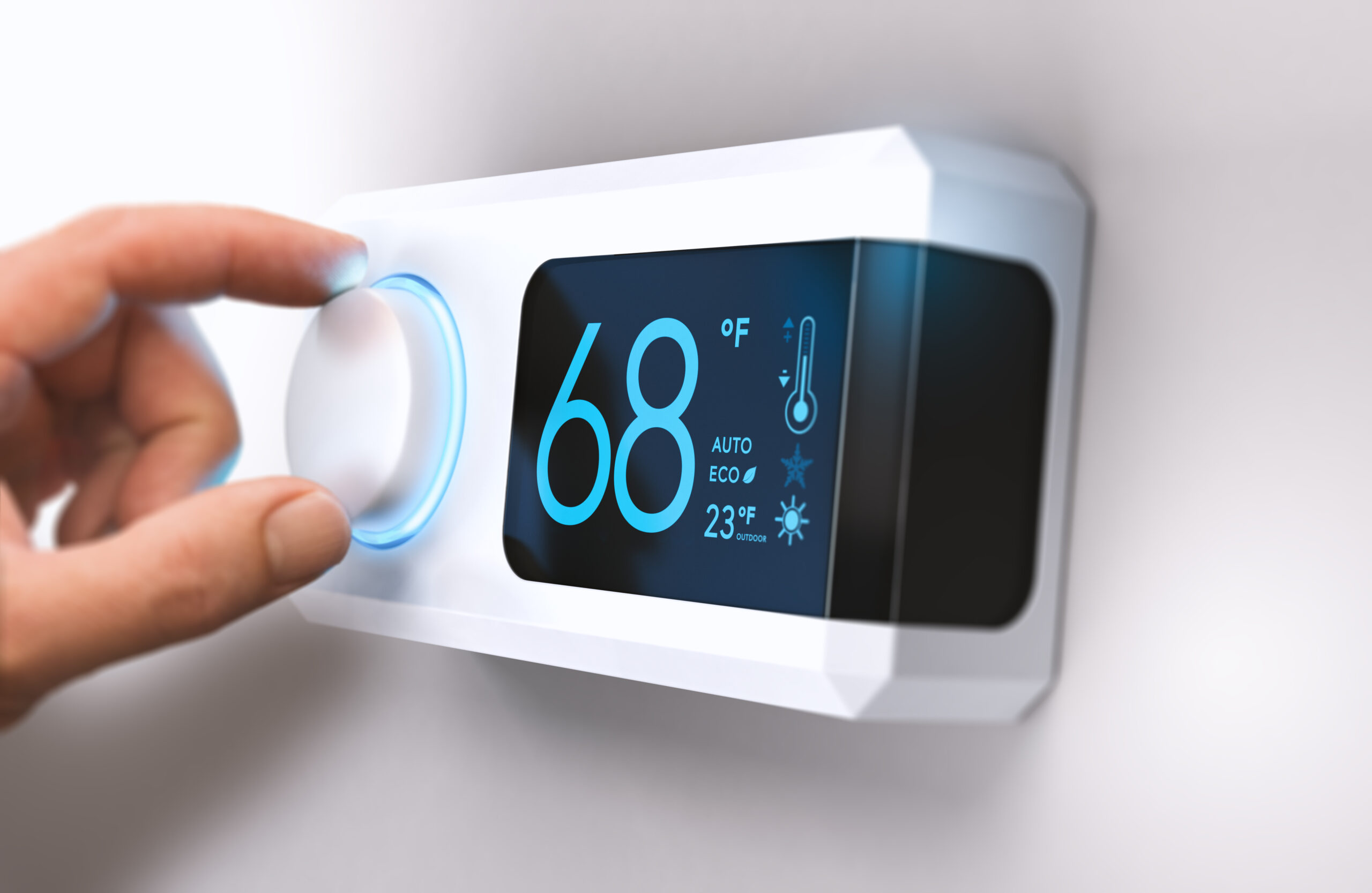



This collection of energy efficiency lesson plans and activities helps students explore how energy is used, measured, and improved in real-world technologies. Through hands-on investigations, data analysis, and design challenges, students learn how efficiency reduces energy demand and improves technology performance.
Two core lessons — Introduction to Energy Efficiency and Science of Energy Efficiency — provide the foundation for understanding efficiency through real-world decisions, calculations, and experiments.
A classroom lesson on energy use and trade-offs
The Introduction to Energy Efficiency lesson helps students understand what efficiency means and why it matters.
Students:
Model efficiency through a short engineering design challenge
Compare appliance energy use using kilowatt-hour data
Complete a home energy decision-making activity that balances cost, comfort, and energy use
The lesson also highlights how trade-offs, incentives, and barriers influence energy choices.
Includes:
Bell ringers and vocabulary support
Real-world energy data
A hands-on design challenge
Answer keys for easy implementation
Works as a stand-alone lesson or an introduction to deeper analysis.
Quantitative analysis and lab investigation
The Science of Energy Efficiency lesson expands the topic through calculation and experimentation.
Students:
Develop a scientific definition of efficiency
Calculate energy savings when comparing technologies
Analyze electricity demand data
Conduct a lab measuring electrical input vs. useful thermal output
The investigation reinforces why no device operates at 100% efficiency and builds skills in data analysis and experimental design.
These resources help students connect efficiency concepts to buildings, energy systems, technology, and everyday energy decisions.