

What a Science Teacher and NSTA 2026 Presenter Shared About Energy Education and Classroom Inspiration
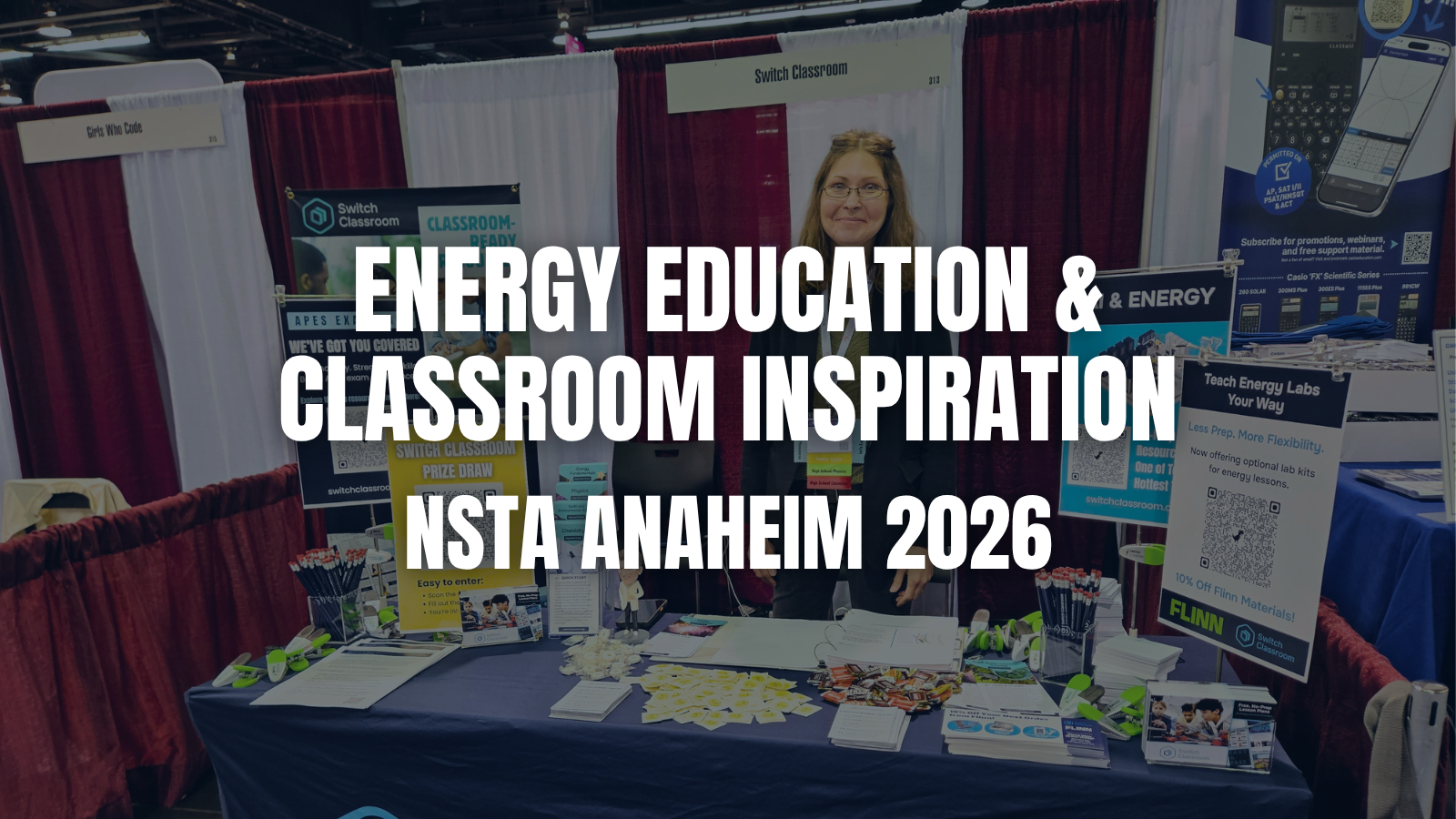
Erika Erickson, a High School Science Teacher and TAC member, represented Switch Classroom at the National Science Teaching Association conference in Anaheim. In this blog, she shares the conversations, classroom ideas, and educator connections that made the experience so energizing.
There’s a particular kind of energy that only happens when thousands of science teachers gather in one place, and this year in Anaheim, it was absolutely electric.
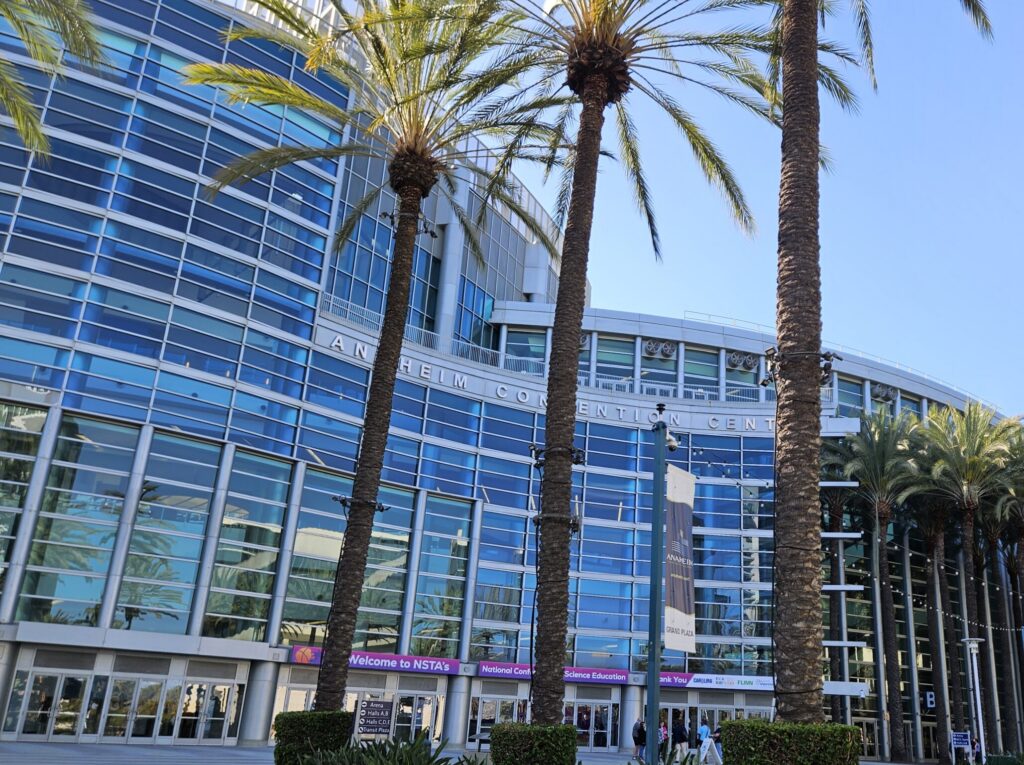
As a veteran educator representing Switch Classroom at the National Science Teaching Association (NSTA) conference, I’ve attended my fair share of professional gatherings. But this one? This one had a buzz that went beyond the usual tote bags and tote-able enthusiasm. Maybe it was the California sunshine, maybe it was the shared sense of purpose, or maybe it was just the sheer number of people who get genuinely excited about carbon cycles before coffee.
From the moment I stepped into the convention center, it was clear: this was a crowd of my people. Within minutes, I was deep in conversation with teachers, swapping strategies for making science engaging, relevant, and, above all, fun. There’s something uniquely reassuring about realizing that educators across the country are also trying to explain feedback loops with whiteboards, hand gestures, and the occasional interpretive dance.
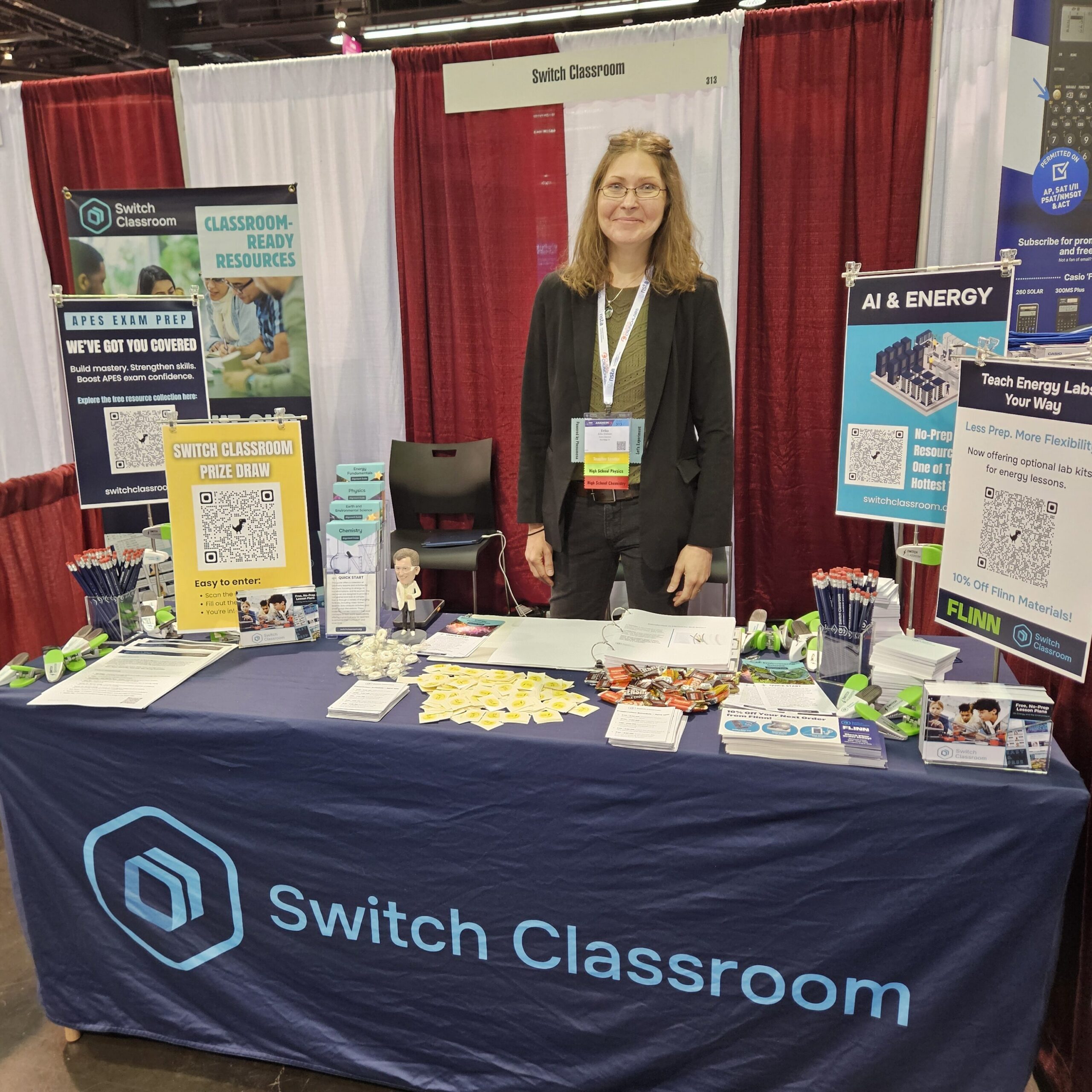
Representing Switch Classroom gave me a front-row seat to some incredible interactions. At our booth, we welcomed a steady stream of curious, passionate educators. Some came looking for fresh AP Environmental Science or Energy resources. Others just wanted to understand how all our resources were free AND editable! Still others, the die-hard Switch Classroom-endorsing teachers, wanted to touch the Scott Tinker bobblehead. Many stayed longer than they planned, drawn in by conversations about real-world energy challenges and how to translate those into meaningful classroom experiences.
One of the highlights for me was presenting two sessions entitled “APES Exam Toolkit: Strategies that Work”, which covered the exam format and all the diagrams and equations we know will appear on the APES exam. Embedded within the presentation were strategies and content created by APES teachers on Switch Classroom’s Teacher Advisory Committee (TAC) that teachers could use immediately to boost those trouble areas, like Unit 6 Energy Math and FRQ writing.
There’s always that moment before a session starts when you wonder: Will anyone show up? (Teacher anxiety doesn’t disappear with experience—it just gets better dressed.) Thankfully, the room filled quickly with engaged educators ready to dive in. We explored ways to bring complex energy topics to life using storytelling, data analysis, and case studies that resonate with students who are inheriting a rapidly changing world.
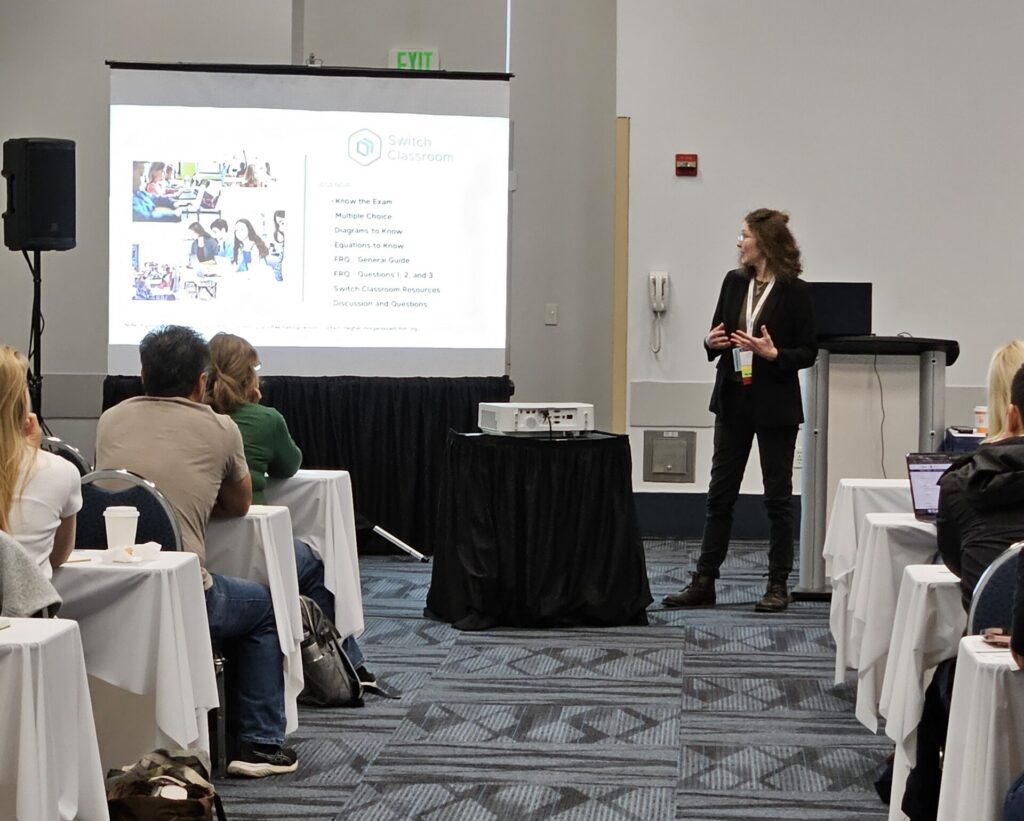
The questions and discussions that followed were thoughtful, practical, and refreshingly honest. Teachers shared what’s working in their classroom, what isn’t, and what they wish they had more time to do. There was a collective recognition that while the content we teach is increasingly complex, our mission remains simple: help students understand the world so they can shape its future. Many teachers expressed appreciation after realizing that Switch Classroom resources could help them and their students reach that understanding.
Another highlight for me was assisting my amazing fellow Switch Classroom colleagues as they presented their sessions. What a line-up!
- Zap! Squish! Light It Up!: Play-Doh Circuits for Grades 4-12
- Fuel for Thought: Teaching Energy Tradeoff and Transformations
- Catch the Breeze! Build and Test Windmills with recycled materials
- Small Stories, Big Science: Engaging Students with Real-World Earth Science
So many happy participants!
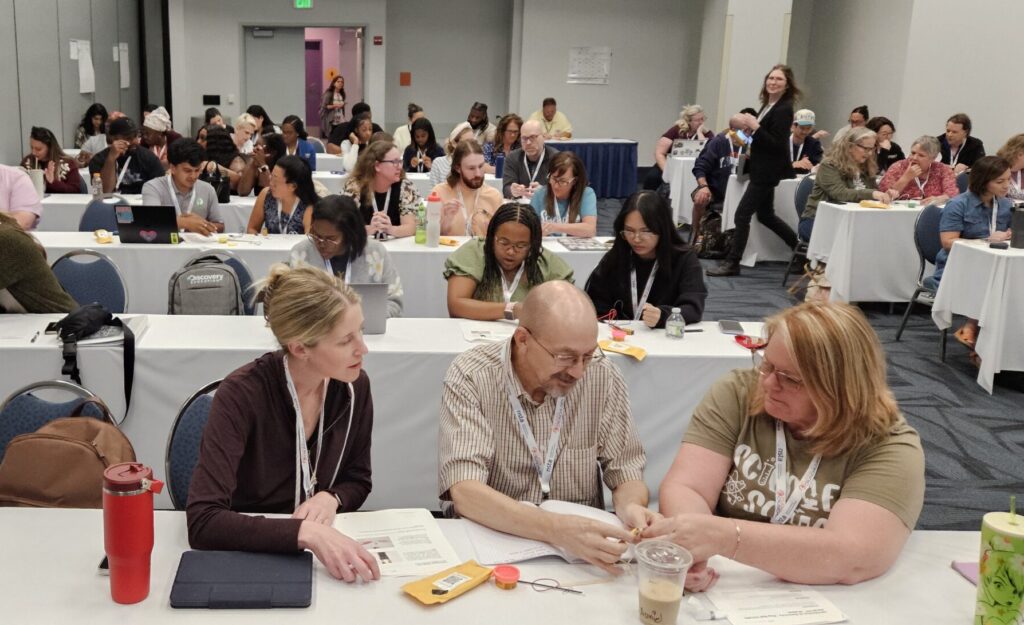
Back at the booth, the conversations kept going. We talked about student misconceptions, lab ideas, classroom management (because yes, even at a national conference, that topic never goes out of style), and how to keep both students and ourselves motivated as the year stretches on. There’s a special kind of camaraderie that forms when educators realize they’re not alone in the daily balancing act of rigor, relevance, and reality.
And yes, there were plenty of lighter moments too, like trying to explain what Switch Classroom does in under 30 seconds while someone is clearly eyeing chocolate and the free stickers. (Pro participant tip: lead with the chocolate and stickers. Stay for the energy literacy.)
By the end of the conference, my voice was a little hoarse, my bag was significantly heavier, and my brain was full in the best possible way. Events like this are more than just professional development; they’re a reminder of why we do what we do. They reconnect us to a larger community of educators who care deeply about science, students, and the future.
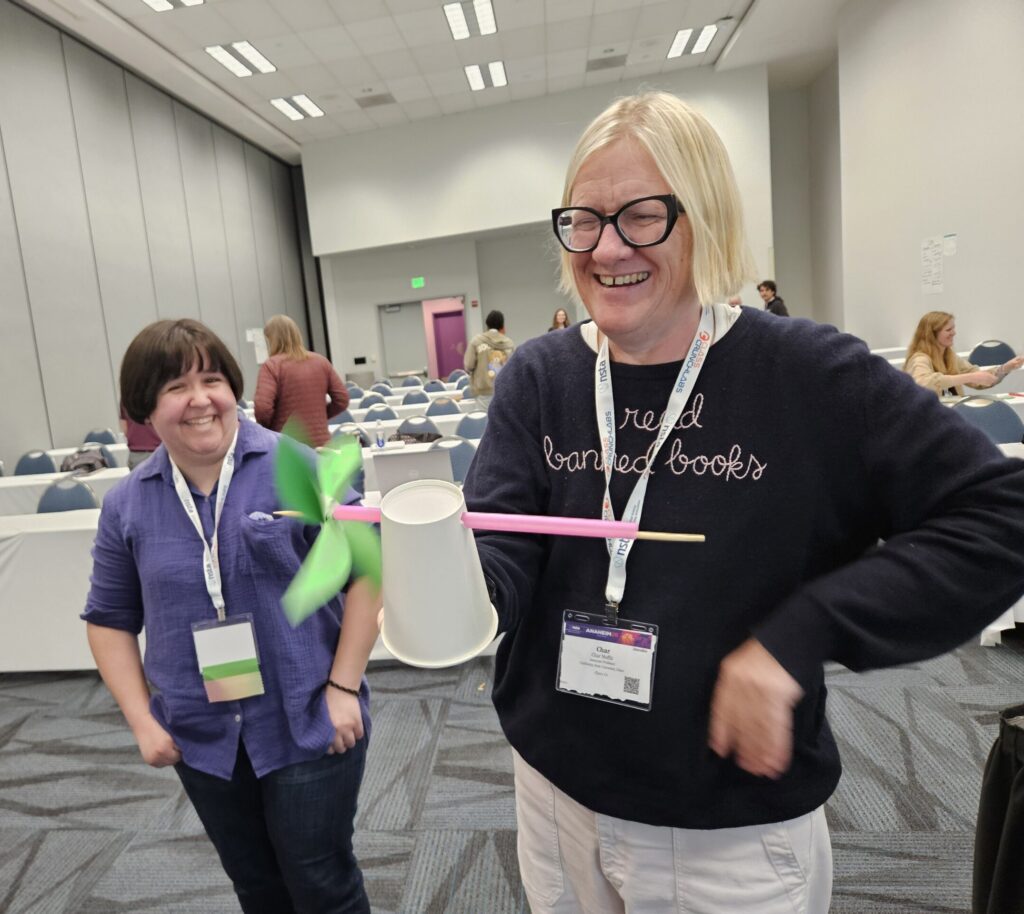
Walking away from Anaheim, I felt re-energized (no pun wasted). Representing Switch Classroom wasn’t just about sharing resources. It was about building connections, exchanging ideas, and being part of a collective effort to make science education impactful and inspiring.
Now, if you’ll excuse me, I need to figure out how to fit 42 new ideas into a single school year.
Wish me luck—and a few extra planning periods.

About the Author
Erika Erickson is a High School Science Teacher in Georgia and a member of the Switch Classroom Teacher Advisory Committee. Through her work with Switch Classroom, Erika helps bring practical, teacher-tested energy and environmental science resources to classrooms.