

Student Objectives
Students will be able to:
- Evaluate different materials and methods for cleaning oil spills by designing and conducting an experiment to test their effectiveness.
- Analyze the environmental impacts of oil spills and propose real-world solutions based on their experimental findings.
- Apply engineering and problem-solving principles to develop and refine oil spill cleanup techniques, considering both effectiveness and environmental impact.
Materials
Lab Experiment Materials (per student group):
- A shallow bowl or tray filled with 80 mL of water (water will need to be replaced several times, so access to a water faucet is needed)
- Optional: Blue or green food coloring for water visibility
- Vegetable oil (at least 100 mL)
- 100 mL graduated cylinder
- Timer
- Optional: Gloves
Cleanup Materials: (Teachers can either provide these materials for systematic testing or allow students to brainstorm and select their own materials to test.)
- Paper towel
- Cotton balls
- Eye dropper or pipette
- Polar fleece fabric (cut into small pieces)
- Spoon
- Optional: Additional materials for clean-up methods brainstormed by students.
Using Switch Classroom
To introduce students to how oil is formed and used in our daily lives, use Switch Classroom’s free resources to build background knowledge, starting with Introduction to Oil and Science of Oil full lessons and individual activities.
Discussion
Before starting the lab, display the photos below and discuss the environmental impacts of oil spills small and large, from rare oil spill disasters to more common smaller spills from pipelines, transportation accidents, and even improper disposal from homeowners. Tell students that today they will be scientists brainstorming the best way to clean up an oil spill in waterways, such as oceans or rivers.
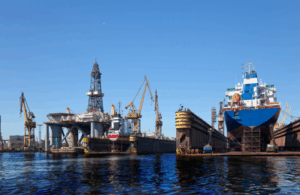
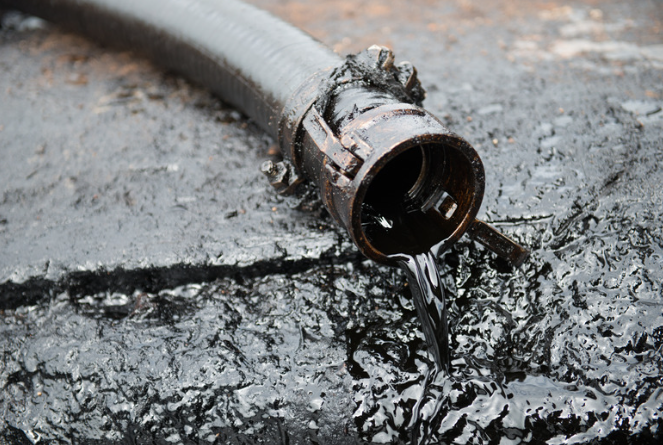
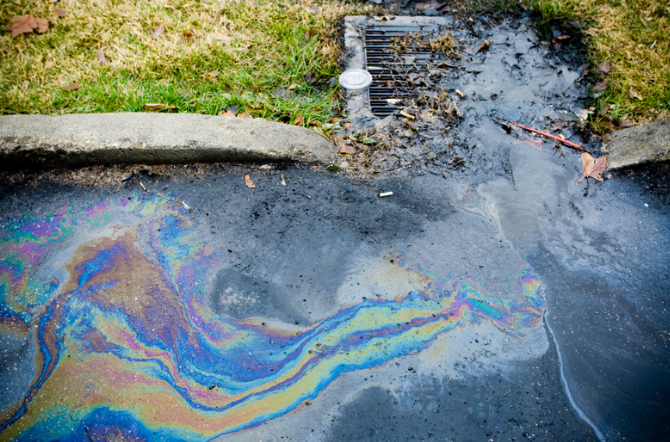
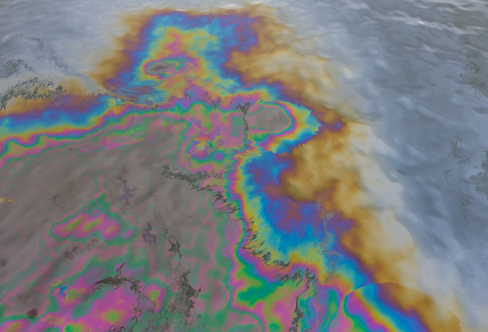
Ask students, “What are some methods or materials that can be used to clean up an oil spill as efficiently and effectively as possible?” Students can brainstorm a list of materials and methods and share them with the class.
Optional: Then ask, “If we had a bowl of water and some oil, how could we test those methods and materials?” For example, a student might have the idea to “scoop” up spilled oil from the surface of the water. To test this idea, the student could use a spoon and a graduated cylinder to test how effective the scooping method is in collecting the spilled oil.
Data Collection
Have students use TABLE 1 included in the Student Handout or create their own table for data collection.
Procedure
- Fill the bowl or tray with 80 mL of water. If using food coloring, add a few drops.
- Measure out 20 mL of vegetable oil in the graduated cylinder and pour it slowly onto the surface of the water. Observe and record how the oil behaves.
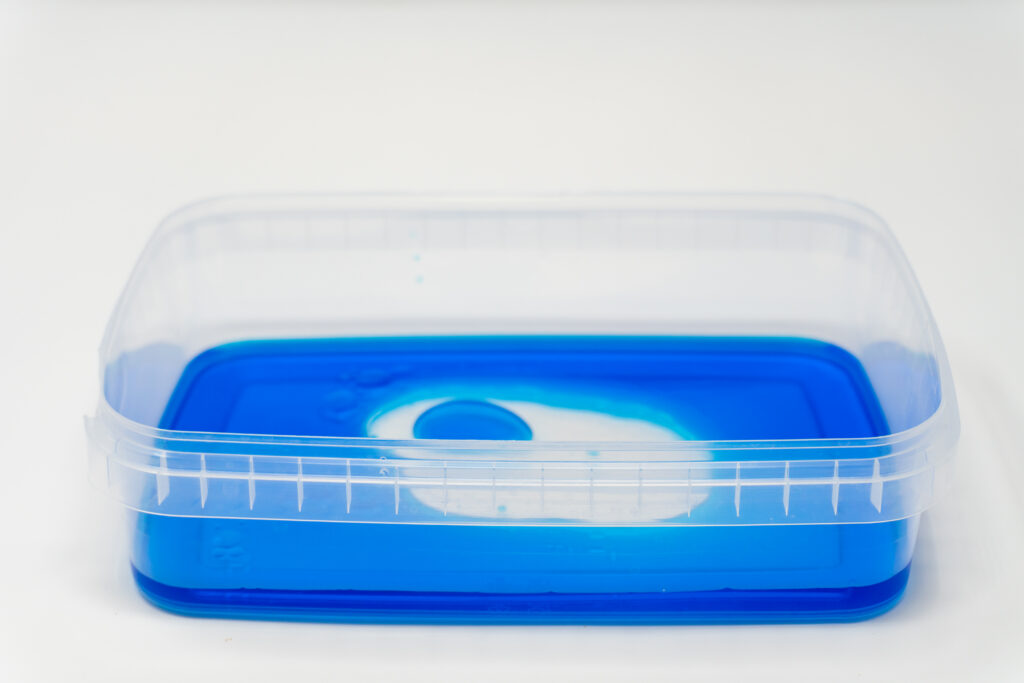
- Use the timer to limit the time spent on each cleanup method to 5 minutes.
- Choose one cleanup method to test first. Attempt to clean up the oil spill with one of the selected materials (e.g., paper towels, cotton balls, siphoning with an eye dropper) and observe how well it removes or absorbs the oil.
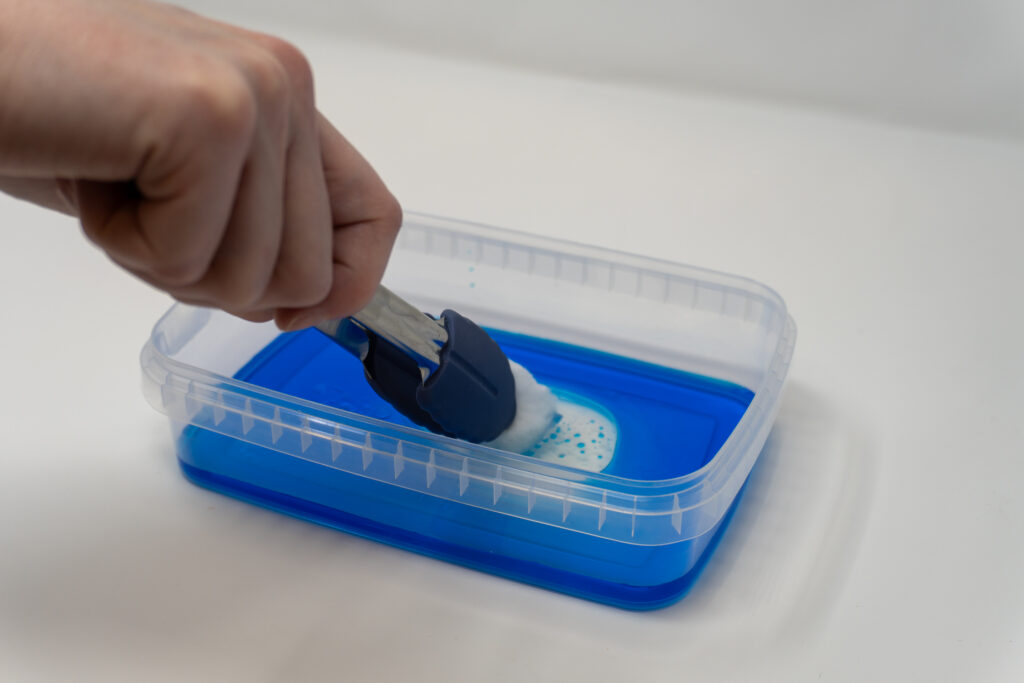
- After the 5 minutes, have students pour the remaining water and oil into the 100mL graduated cylinder. Let the water and oil separate and settle. Measure the oil remaining from the original “spill” and subtract that from the original 20mL.
- Record the volume of oil remaining and then calculate the volume of oil removed.
- Repeat the process with the other cleanup materials, making sure to start with a fresh bowl of water each time, or carefully remove any remaining oil.
- Once completed with all the tests, students can fill out the “Class Reporting Table” for each cleanup method to compare results and determine which method was the most effective at removing the oil.
Results
For each cleanup method, have students fill out several copies of TABLE 2 included in the Student Handout using the data they collected from their experiments and complete the Analysis Questions.
Conclusion
After students have concluded the data table and analysis questions, have them summarize their findings in writing or through class dialogue, discussing real-world implications, and suggesting possible improvements for oil spill cleanup techniques. Use the Investigative Lab Rubric below to assess understanding.
Extension: Students can research how oil spills are cleaned in real-world marine oil spill situations, and/or investigate oil spills and their effects.
Investigative Lab Rubric
| Category | 4 – Excellent | 3 – Proficient | 2 – Developing | 1 – Needs Improvement |
|---|---|---|---|---|
| Data Collection | Recorded detailed observations; used a complete data table with clear ratings. | Recorded observations with minor omissions; data table mostly complete. | Recorded observations, but missing key details; incomplete data table. | Observations and data are unclear, missing, or incomplete. |
| Procedure | Followed all steps carefully and maintained a clean workspace. | Followed most steps correctly, with only minor errors. | Missed or altered multiple steps, affecting accuracy of results. | Did not follow steps correctly, significantly impacting results. |
| Analysis and Discussion | Answered all questions with in-depth explanations and connections to real-world examples. | Answered most questions with reasonable explanations and some real-world connections. | Answered some questions but lacked depth or connections. | Answers are missing, incomplete, or unclear. |
| Teamwork and Engagement | Fully engaged, collaborated effectively, and contributed to discussion. | Mostly engaged, worked well with the group, participated in discussion | Somewhat engaged, minimal contribution to group or discussion | Disengaged, little or no contribution to group work. |
| Conclusion | Well-structured conclusion summarizing results, effectiveness of methods, and real-world implications. | Conclusion summarizes findings but lacks depth or connections. | Conclusion is incomplete or does not clearly summarize findings. | No conclusion or major gaps in findings. |
Research links:
NOAA: Oil Spills
NOAA: Typical Cleaning Methods
TradeSafe: Oil Spill Cleanup