

Six Energy Labs for Summer: Sunshine and Science Vol. 3 Is Here
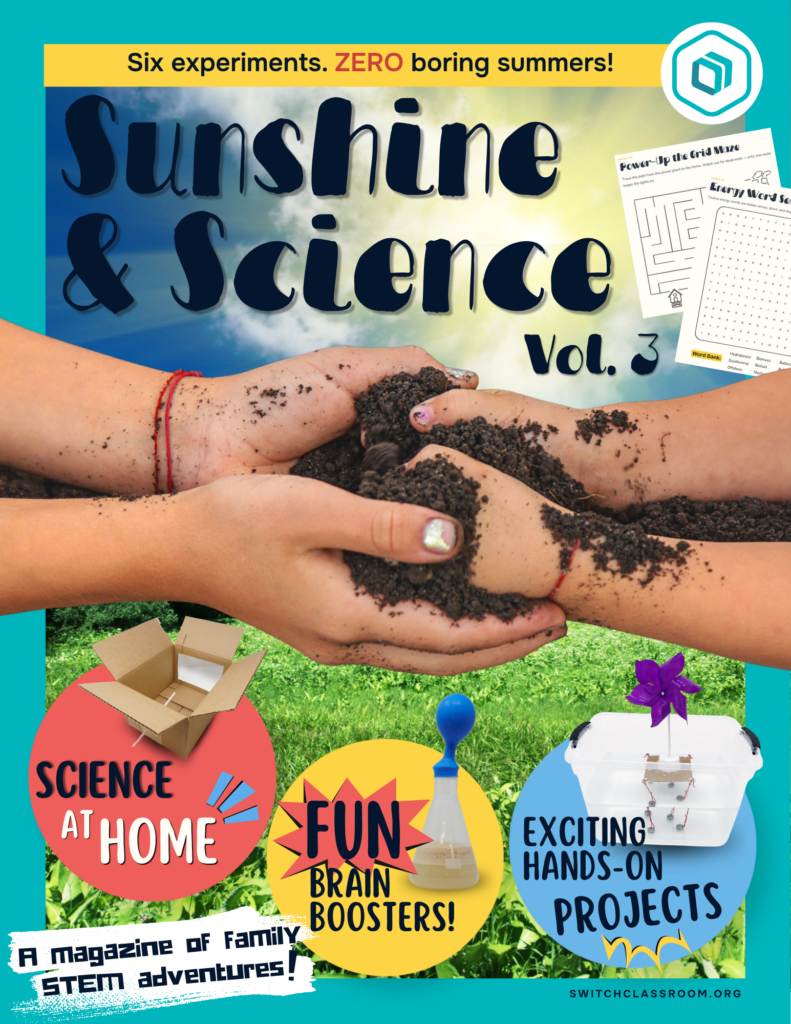
The last week of school is basically controlled chaos. Through all of that, if you’ve been meaning to put something useful in students’ hands before they disappear for the summer, Sunshine and Science Vol. 3 is ready.
It’s a free, printable activity packet with six hands-on energy labs for kids ages 7-12. Most materials are already in the kitchen or recycling bin. The labs are written so a kid can pick them up independently, a parent can run them with no science background, or a camp counselor can pull a single section for an afternoon activity. You don’t have to be there for it to work.
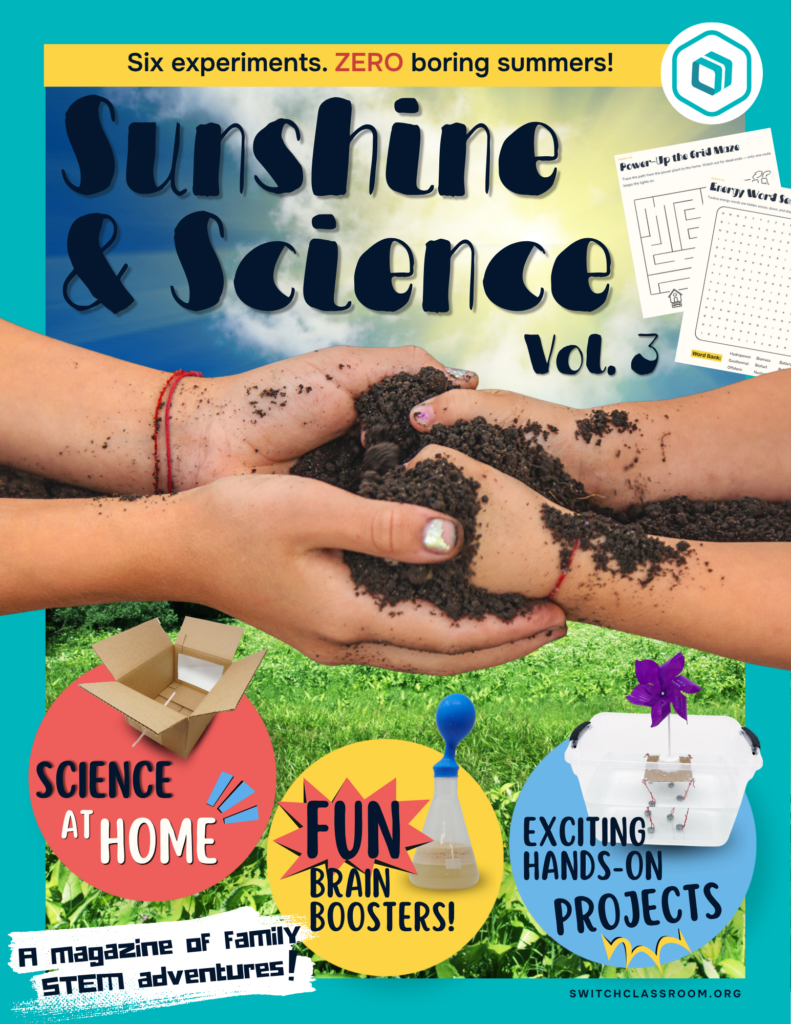
What’s Inside Vol. 3
Each section pairs a puzzle or game with a hands-on lab. There’s no right place to start. Kids can flip to whatever looks interesting and go from there.
Make Waves
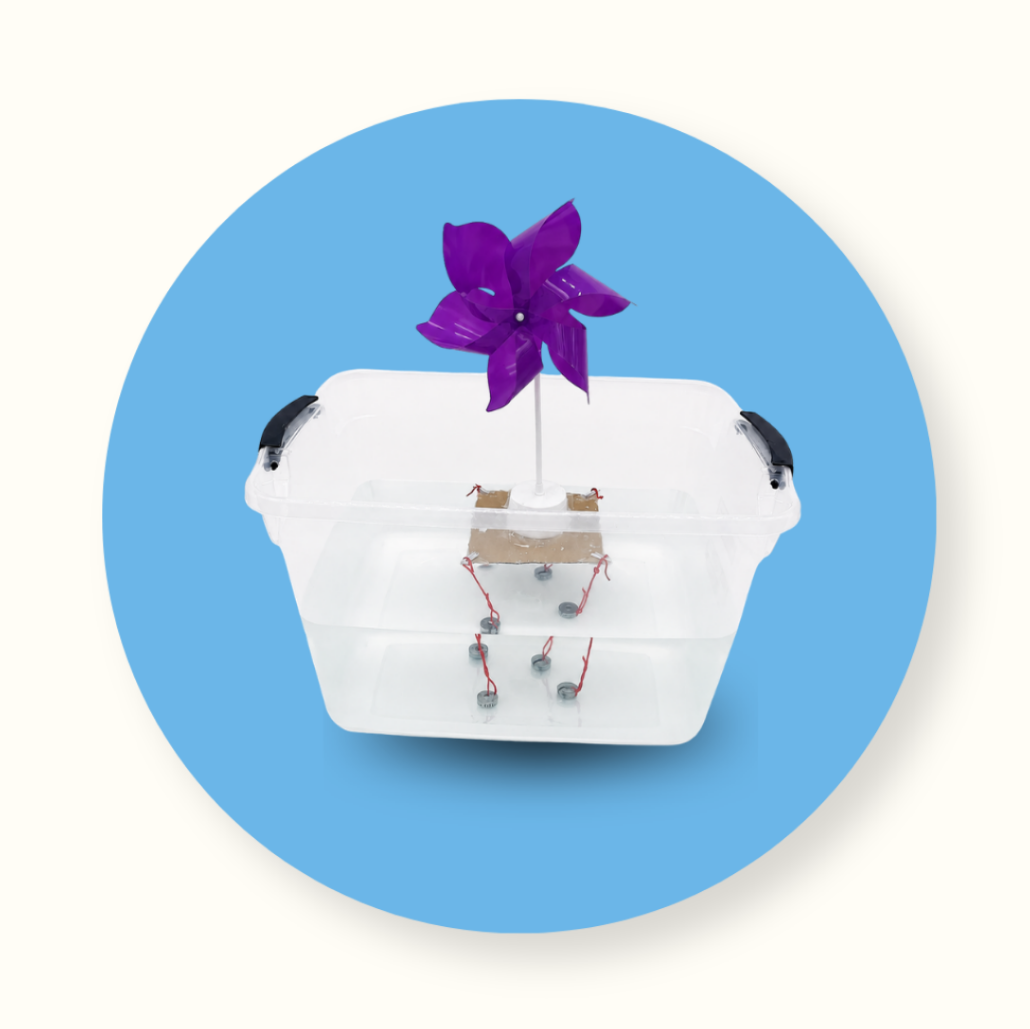
This section has two water labs. The first looks at water pressure and flow using a 2-liter bottle and a pushpin. Kids fill the bottle to different levels and measure how much water shoots out each time, which is the same principle that engineers think about when designing labs. The second is a floating wind turbine engineering challenge built in a kitchen tub. Kids sketch their design first, build it, then test it against float, wind, drift, and waves. It tends to take longer than expected in the best way.
Clear the Air
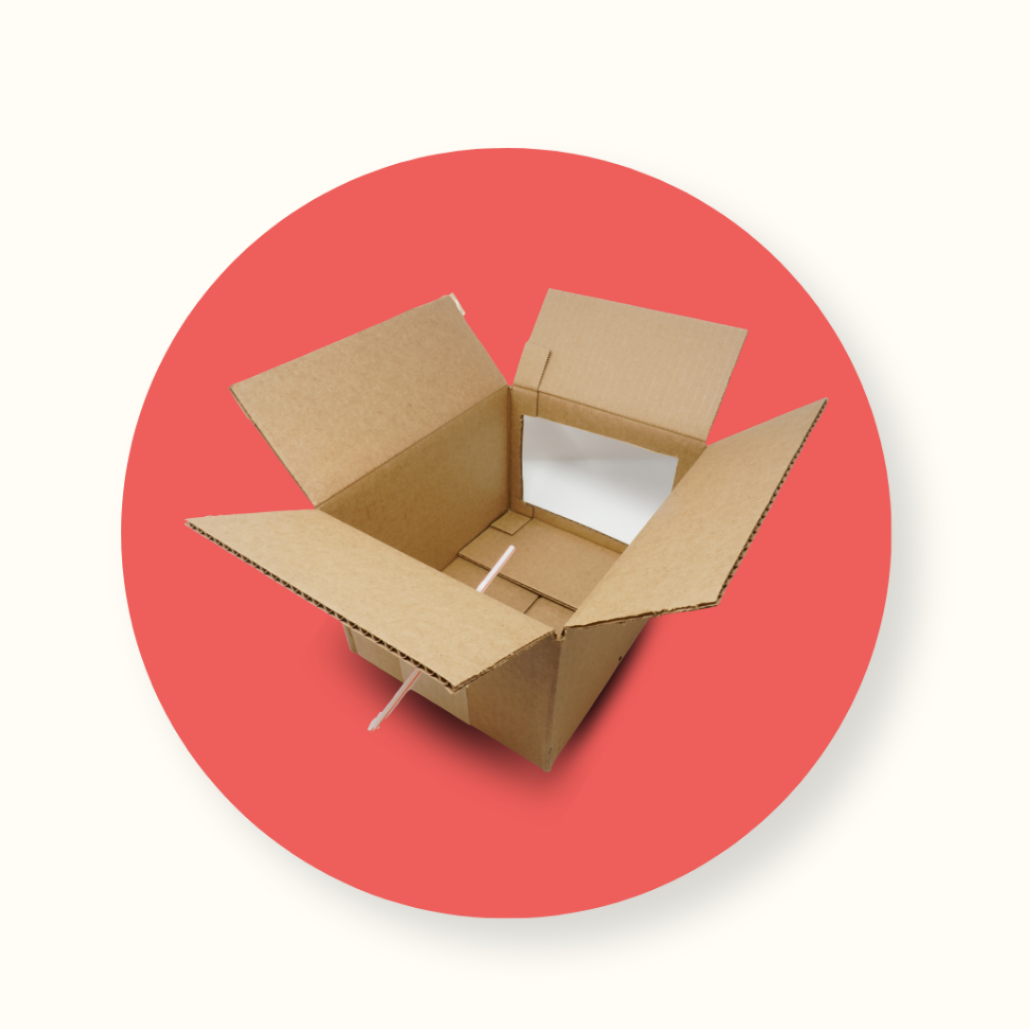
Kids blast cocoa powder through a modified shoebox and hold sticky collection cards at the outlet to see what the filter catches. The unfiltered card versus the filtered card is the kind of visual result that’s hard to argue with. It connects naturally to how home heating and cooling systems protect air quality, and it’s a great roll-up-your-sleeves lab for summer camps looking for something hands-on and genuinely satisfying to pull off.
From Food to Fuel
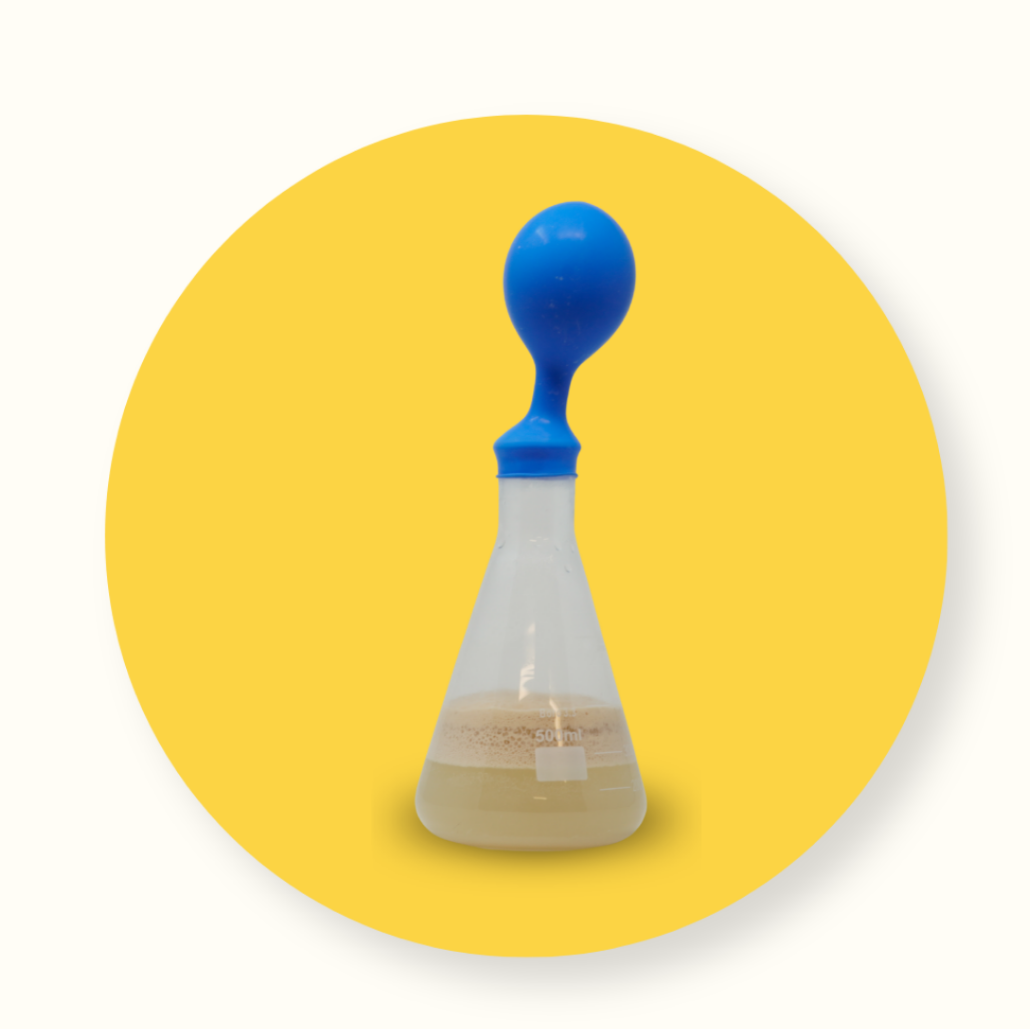
Yeast, sugar, warm water, and a balloon that inflates itself. Kids track how big the balloon gets every five minutes while the yeast eats the sugar and releases CO2. The connection to ethanol and how it ends up blended into gasoline is in the “why it works” section, so kids get the real science without it feeling like a lecture.
Feel the Heat
One container of soil goes in the fridge overnight. One stays at room temperature. The next day, kids pour warm water into both and track the temperatures over five minutes. The chilled soil behaves like underground earth in the summer, which is exactly how geothermal heat pumps work. The overnight prep makes it a natural anchor for a two-day camp session or a slow-paced summer morning.
Watt’s Going On
An electric kettle, some cold water, a thermometer, and a kitchen scale. Kids calculate how much of the electricity going in actually ends up as heat in the water. The math is accessible and the result is usually genuinely surprising. The one is rated for ages 10 and up with a grown-up helping, and it’s a nice bridge for older kids who are ready for something that feels a little more like real science.
Brain Boosters
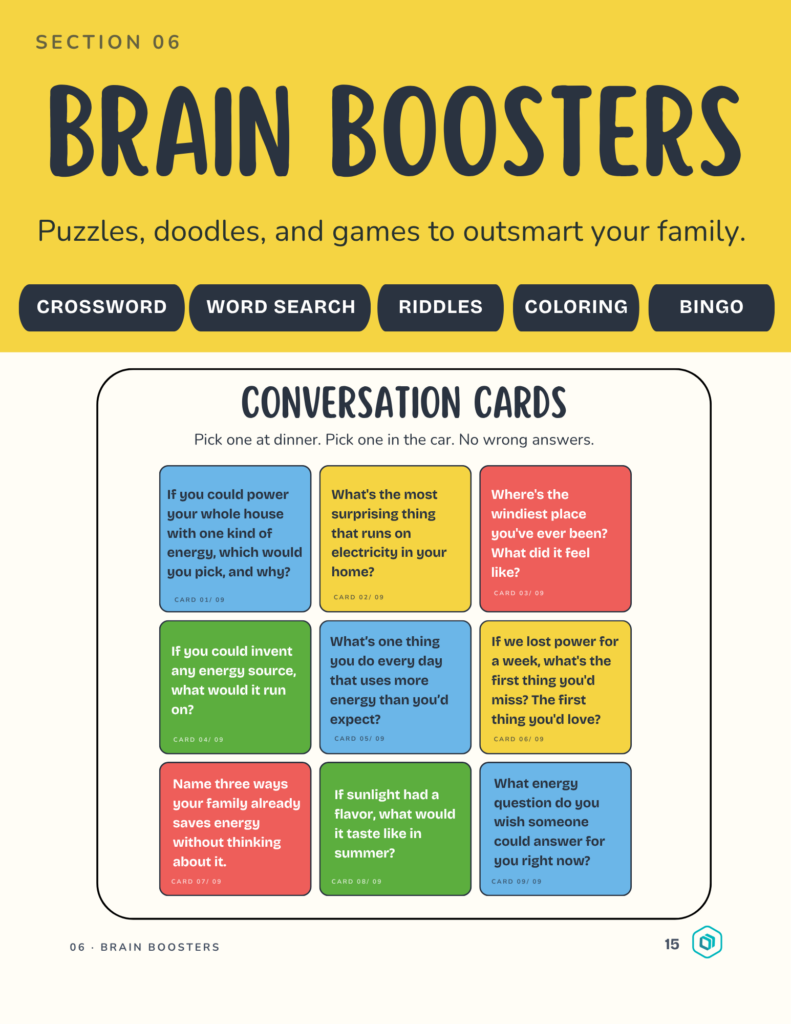
A full section of puzzles, conversation cards, riddles, a crossword, a word search, and an energy bingo card designed to stretch across the whole summer. The bingo squares include things like “hang clothes on a line instead of using the dryer,” “read a chapter using sunlight only,” and “spend one evening with all the lights off after sunset”. It’s the kind of thing that quietly turns into a family project.
Who It Works Well For
Teachers have sent previous volumes home with students in the last week of school and heard back in the fall that families actually used them. It also travels well to a few other contexts.
Summer camps and enrichment programs can pull individual sections without needing to run the whole packet. Each lab includes a materials list, a time estimate, a mess level, and a “why it works” explanation written for the person running it, not just the kid doing it.
Families who want something more structured than free YouTube time but less intimidating than a full curriculum tend to land well with this format. The instructions are clear, the materials are simple, and the kids can see the results without much adult intervention.
Homeschool teachers covering physical science over the summer will find the labs hit energy transfer, efficiency, fermentation, filtration, and pressure. Full lab versions with data tables, analysis questions, and extended readings are available for free in our Resource Library for anyone who wants to go deeper.
How to Use It
Print the whole packet and send it home, or download it as a reference for summer camp planning. The table of contents makes it easy to pull one section for a specific session without committing to the whole thing.
It’s also designed to survive being forgotten for six weeks and rediscovered mid-July. No sequence, no unit structure, no prerequisite. Just a kid finding a page that looks interesting and starting there.
Check out our previous publications of Sunshine and Science here.