

Holiday STEM Activities for the Classroom: Seasonal Science Lessons Students Love
Some of the most exciting days of the school year can also be the hardest to teach.
The days before Halloween, winter break, Valentine’s Day, or spring break bring extra energy into your classroom. Students are excited, schedules shift, and it can be difficult to keep lessons focused.
Instead of fighting that excitement, you can channel it into hands-on investigations, engineering challenges, and real-world science discussions.
Seasonal STEM lessons help you turn those high-energy weeks into meaningful learning opportunities while keeping students engaged.
This page highlights holiday STEM activities for the classroom and serves as a living collection of seasonal energy lessons for science teachers. New activities are added throughout the year.
Jump to a Season
- Fall STEM Activities
- Winter Holiday STEM Activities
- Valentine’s Day STEM Activities
- Spring STEM Activities
7 Holiday STEM Activities You Can Use in Your Classroom
If you need engaging lessons during high-energy weeks, these activities work well in science classrooms:
- Energy Matchmaking Gallery Walk
- Energy Density (Halloween Edition)
- Energy After the Feast Investigation
- Holiday Lights Play-Doh Circuits
- Celebration and Energy Math Task Cards
- The Olympic Flame Energy and Emissions CER
- St. Patrick’s Day Engineering Challenge
Each activity connects seasonal traditions with real-world energy concepts and hands-on learning.
Why Seasonal STEM Activities Work
Seasonal lessons capture students’ attention in ways traditional lessons sometimes can’t.
When a lesson connects to something students are already thinking about (holiday candy, decorations, celebrations, or traditions), they become naturally curious. Participation increases, discussions become more lively, and abstract scientific concepts feel easier to understand.
Holiday STEM activities can help you:
- Boost engagement during high-energy weeks
- Connect science concepts to everyday life
- Reinforce vocabulary through memorable experiences
- Incorporate movement and hands-on investigation
- Keep learning meaningful right before school breaks
Energy topics work particularly well with seasonal activities because celebrations often involve food energy, electricity, light, and real-world energy use.
When students investigate these examples, they begin to see science as something that exists outside the classroom as well.

How to Use Seasonal STEM Lessons Without Losing Rigor
Holiday-themed lessons can still support meaningful science learning.
The key is choosing concept-driven activities, not just themed worksheets.
Here are several ways to use seasonal STEM activities effectively in your classroom.
1. Use Seasonal Activities as Engagement Hooks
Holiday activities work well as lesson starters.
For example, students might compare the energy content of Halloween treats before learning about energy density and stored energy.
Because the example feels familiar, students become curious and motivated to learn more.
2. Turn Activities Into Stations or Gallery Walks
Many seasonal STEM activities work well as:
- gallery walks
- classroom stations
- small-group investigations
These formats keep students moving and collaborating, which is especially helpful during high-energy weeks.
For example, the Energy Matchmaking Gallery Walk gets students moving around the room while connecting energy sources, transformations, and impacts.
3. Use Hands-On Engineering Challenges Before Breaks
The days leading up to holidays can be unpredictable.
Engineering-style STEM challenges give students something productive to focus on while still applying scientific thinking. Students design, test, troubleshoot, and refine solutions as they work through the challenge.
For example, this St. Patrick’s Day STEM engineering challenge encourages students to design and test creative solutions while applying engineering principles.
4. Connect Lessons to Real-World Energy Systems
Holiday contexts provide natural opportunities to explore real-world science.
Students can investigate topics such as:
- electricity used in holiday lights
- energy stored in foods during celebrations
- environmental impacts of energy use
These discussions help students understand how energy systems influence everyday life.
You can also reinforce these ideas by using videos in your science lessons before students begin hands-on activities.
Seasonal STEM Activities Throughout the School Year
Different times of year provide opportunities to explore energy concepts in engaging ways. The sections below organize seasonal activities so you can quickly find lessons that match what’s happening in your classroom.
Fall STEM Activities
Fall celebrations are a great opportunity to investigate food energy and energy density.
Resources:
- Energy Density (Halloween Edition) – Compare the energy content of common Halloween treats.
- Energy After the Feast: Holiday Investigation – Analyze food energy and consumption patterns after holiday celebrations.
Winter Holiday STEM Activities
Winter celebrations often involve lights and decorations, making them ideal for exploring electricity and circuits.
Resources:
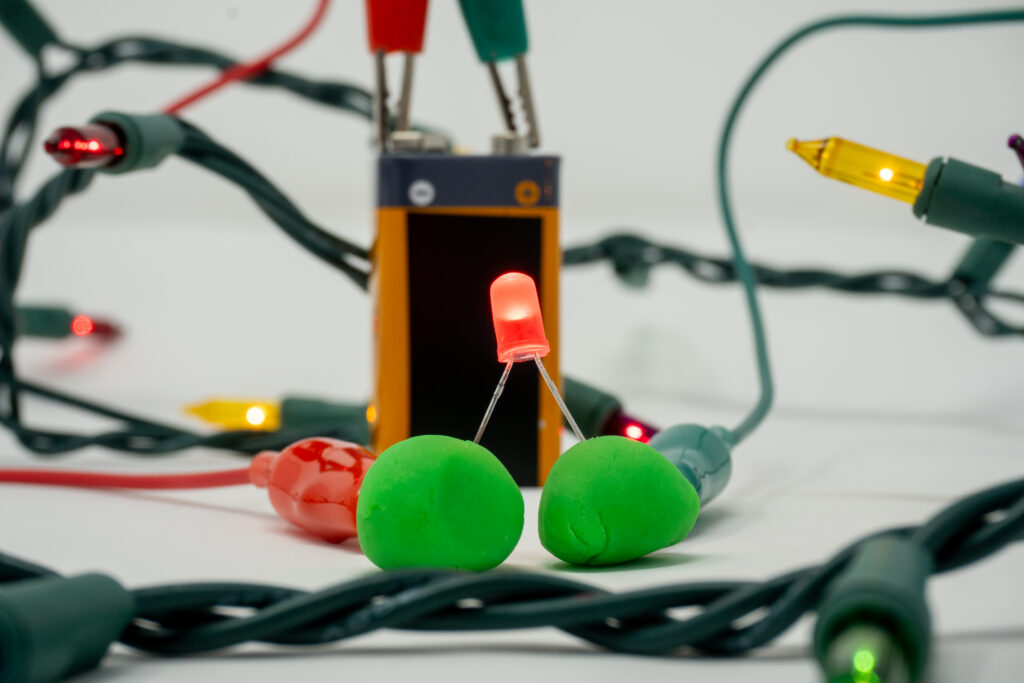
- Holiday Lights Play-Doh Circuits – Build simple circuits using conductive dough and holiday bulbs.
- Celebrations and Energy: Math Task Cards – Apply quantitative reasoning to real-world energy use.
Valentine’s Day STEM Activities
Valentine’s Day activities can focus on connections between energy sources, transformations, and impacts.
Resources:
- Energy Matchmaking Gallery Walk – Connect energy sources, transformations, and impacts through an interactive activity.
- Valentine’s Energy Cards: Sharing the Love for Power Sources – Reinforce energy vocabulary through creative communication.
Spring STEM Activities
Spring is a great time to introduce engineering challenges and design thinking.
Resources:
- St. Patrick’s Day Engineering Challenge – Design and test solutions in a seasonal engineering challenge.
You can also explore additional ready-to-teach energy lessons for March that connect seasonal moments to science learning.
Flexible STEM Lessons for Busy Teaching Weeks
One of the biggest advantages of these holiday energy activities is their flexibility.
Each lesson includes:
- clear teacher directions
- student-ready materials
- answer keys
- optional extensions
You can easily run them as:
- full class lessons
- gallery walks or stations
- hands-on demonstrations
- short engagement lessons before a break
Because the materials are simple and accessible, these activities are practical even during busy weeks.
Explore the Holiday STEM Activity Collection
Looking for ready-to-teach seasonal lessons?
These classroom-ready activities make it easier to keep your students engaged while reinforcing key energy concepts throughout the year.
FAQ: Holiday STEM Activities for Science Class
Do holiday science activities align with standards?
Yes. Well-designed holiday STEM activities reinforce key concepts such as energy transformations, electricity, and data analysis.
When should teachers use seasonal STEM lessons?
These activities work well during high-energy weeks, before school breaks, after testing periods, or when introducing new concepts.
Can these activities work for different grade levels?
Many seasonal STEM lessons can be adapted by adjusting discussion depth, analysis questions, or engineering challenges.