

Bring Virtual Labs to Your Classroom with PhET Lab Extensions

One of the biggest day-to-day challenges as a teacher is creating fun, engaging lessons with limited time and resources. Labs give students the chance to go beyond the textbook and follow their curiosity. The struggle is bringing that interactive element to your classroom in the easiest, most affordable way possible.
Switch Classroom now offers PhET Lab Extensions, which include virtual lab simulations from PhET Labs and in-depth lesson guides for students and teachers. Our Teacher Advisory Council has been using PhET in their own classrooms and saw a natural connection to partner with them when we met them at NSTA in Anaheim this spring. Now, select lessons on our resource library can be extended with the PhET interactive simulations.
Who is PhET?
Some of you may use PhET simulations in your classrooms already. If you’re not familiar with their resources, PhET provides free interactive simulations on a wide range of science and math topics. These simulations are geared toward middle and high school students, allowing teachers to supplement their lessons with virtual labs. For science topics especially, the goal is to allow students to see the concepts in action. They can operate just like scientists in a lab, manipulating variables, collecting data, and exploring their interests.
How to Use PhET Lab Extensions
You can find two PhET activities ready to go on our site: Circuit Construction Kit and Faraday’s Electromagnetic Lab. Each PhET extension includes:
- PhET lab simulation
- Student guide
- Teacher guide (Learning objectives, answer key, and pacing assessment)
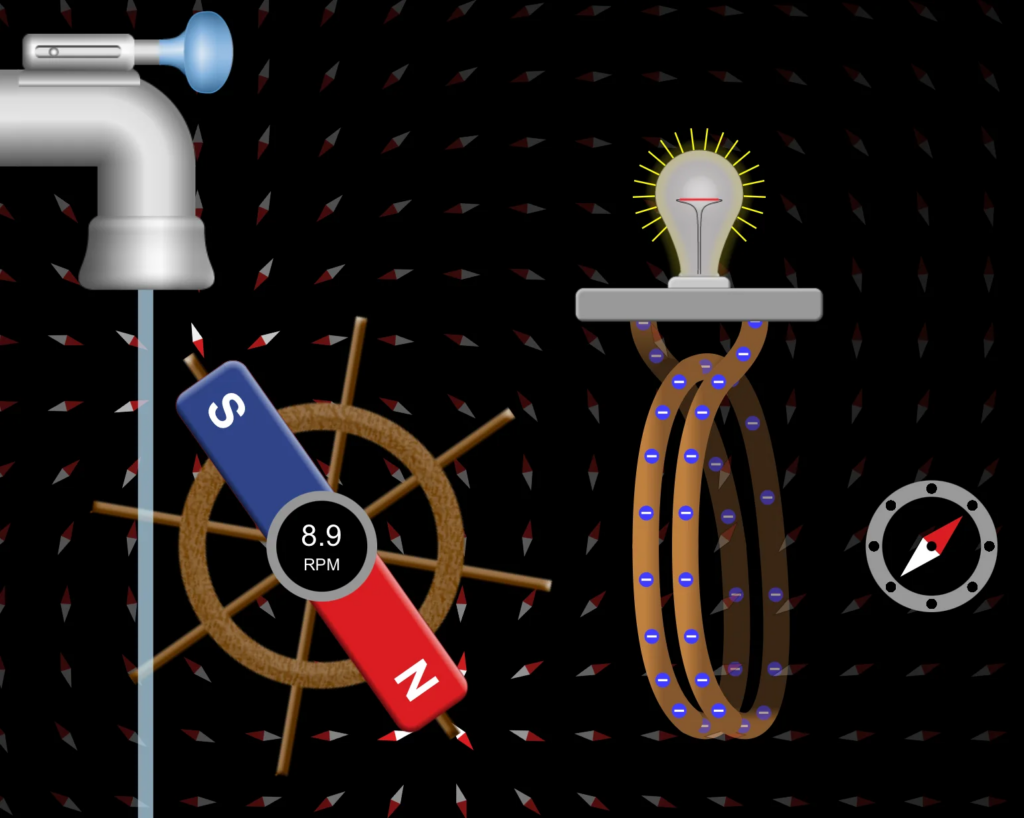
These activities are designed for you to incorporate PhET easily into your lesson plans. Students use the guide to navigate through the simulation, allowing you to monitor and provide support as needed. Use as much or as little of the activity as you want, depending on your lesson needs.
Give It a Try!
We hope this resource will help you provide your students with exciting labs without the cost, materials, and setup that a physical lab requires. We know students benefit tremendously from hands-on, interactive labs that allow them to engage directly with the content they’re learning. This way, they can dive headfirst into concepts like circuits and electromagnetism, exploring them deeper than they ever could have before.