
Science of Energy Efficiency – Bell Ringer
Summary
Science of Energy Efficiency Bell Ringers: Conceptual Warm-Up Questions
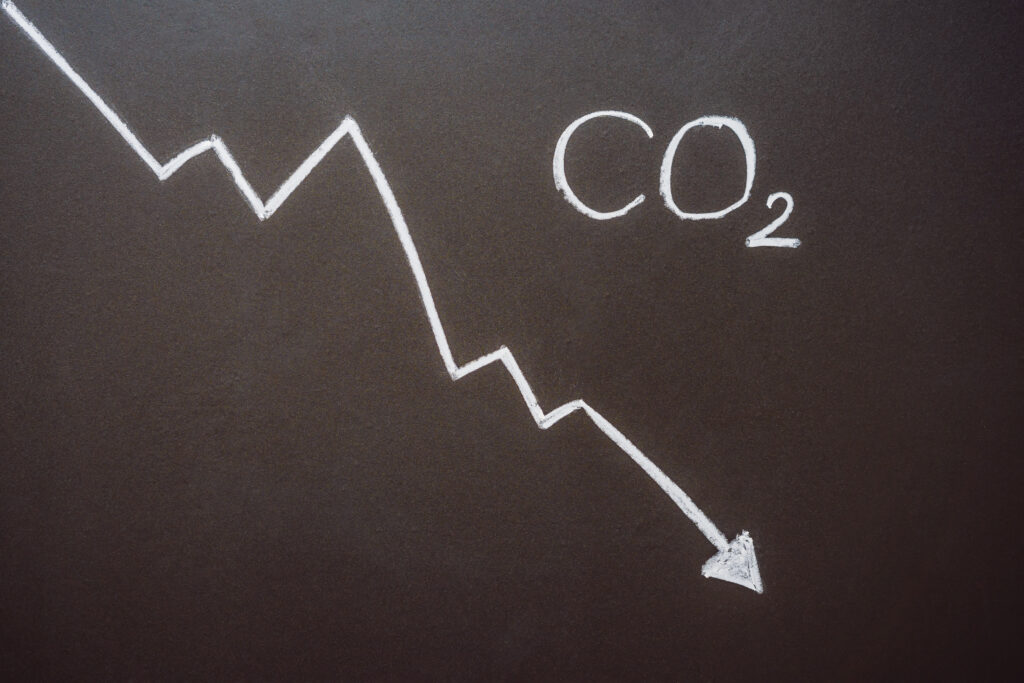
The Science of Energy Efficiency bell ringers prompt students to articulate their understanding of energy efficiency using scientific language and real-world examples. Students define energy efficiency, describe how efficient technologies function, and consider how efficiency improvements can influence emissions and electricity demand.
These prompts prepare students for deeper quantitative work by encouraging precise thinking about how efficiency relates to technology performance and energy systems. Teachers can use the bell ringers to surface misconceptions, introduce vocabulary, or frame upcoming data and lab activities.
Bell ringers are especially effective at the high school level because they help students shift from everyday explanations to scientific reasoning grounded in systems and measurement.
This activity is part of the Science of Energy Efficiency lesson, which includes computation, data analysis, and a laboratory investigation.
In your own words, what is energy efficiency? What does it mean if a technology is energy-efficient?
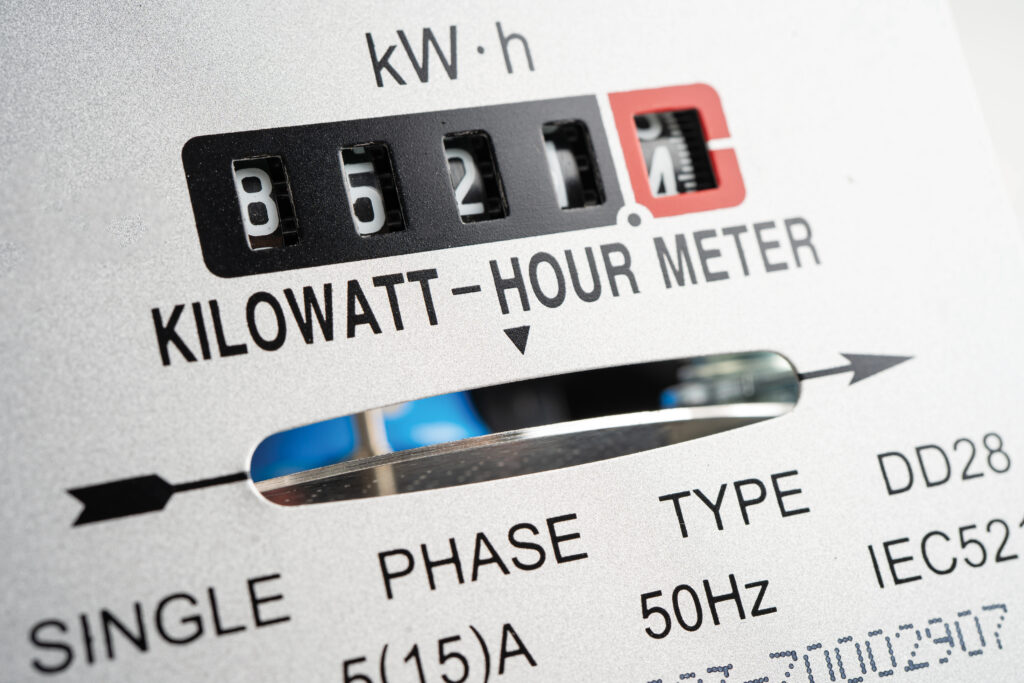
Give one or two examples of energy-efficient technologies. Explain how they work.

How could an energy-efficient technology reduce carbon emissions? Give an example.