Introduction to Solar – Bell Ringer
Summary
Three bell ringer options that activate prior knowledge before a solar energy lesson, covering everyday associations with solar, how light behaves when it hits a solar panel, and the trade-offs of relying entirely on solar power at home. Teachers can select the prompt that best fits their lesson focus. No prep required and ready to display for middle school or high school energy units.
Think, Pair, Share
- When you think of the term “solar,” what image comes to your mind?
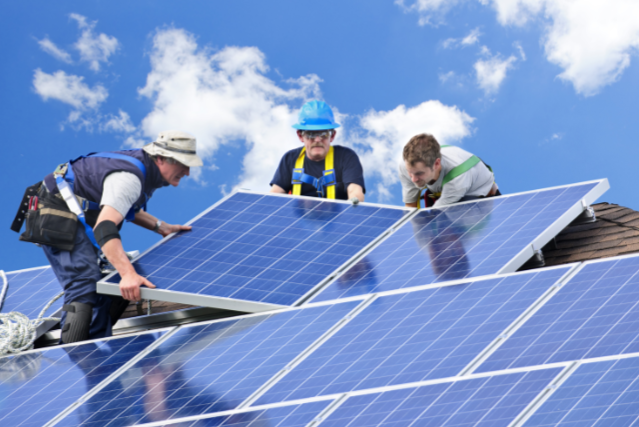
- How do you think solar energy is used in daily life?
- In your opinion, what makes solar energy so significant to us?
Fun Fact: The sun generates more energy in an hour than the globe needs in a year! What are your thoughts?
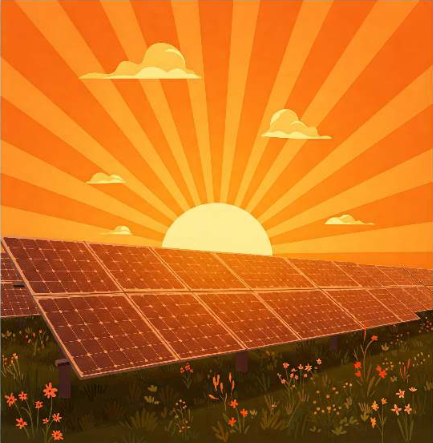
Light travels in a straight line, and can be reflected, refracted, and absorbed.
Reflect: To bounce back light from a surface.
Refract: To bend light as it passes from one medium to another.
Absorb: To take in light without reflecting or transmitting it.
A solar panel uses solar energy to generate electricity. What do you think happens to most of the light that hits a solar panel? Is it reflected, refracted, or absorbed? Explain your reasoning.
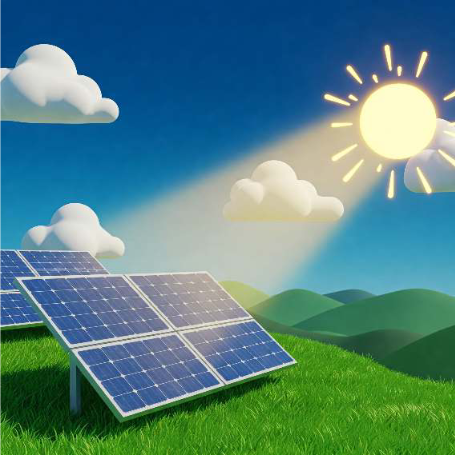
Imagine your home relied entirely on solar power. What would be the biggest benefit? What would be the biggest challenge?