Introduction to Energy Access – Bell Ringer
Summary
Students examine four types of energy poverty through scenario-based questions, moving from household-level health impacts to infrastructure limitations and affordability gaps. The bell ringer pairs a data-grounded discussion with a quote analysis that challenges surface-level infrastructure thinking. Works well as a warm-up for a high school energy access or global energy unit.
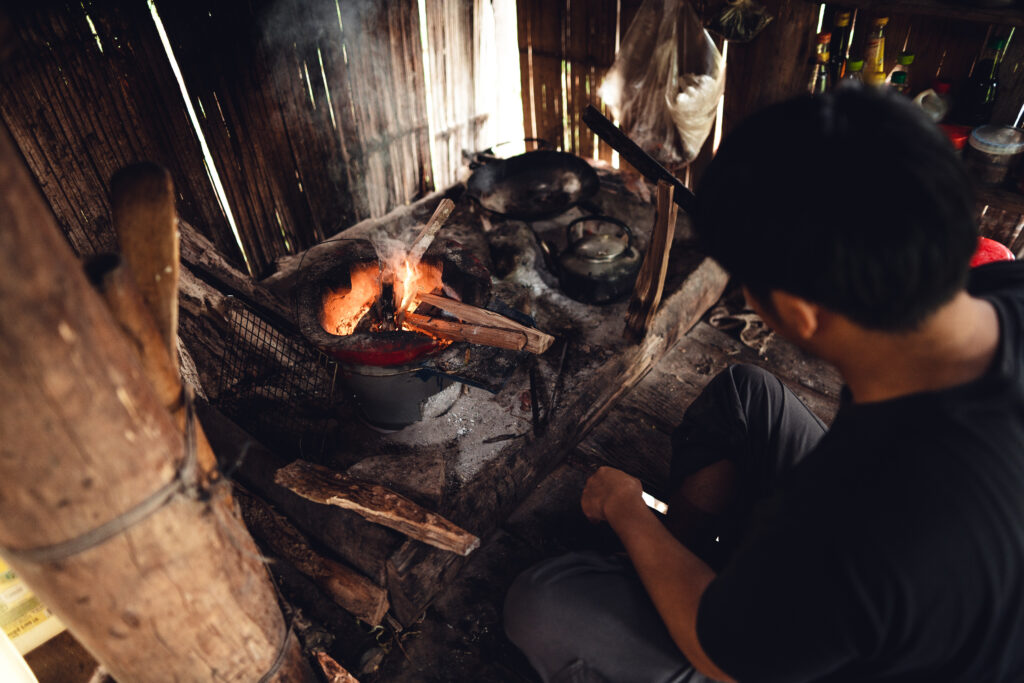
In many parts of the world, families have to burn wood, crops, or charcoal inside their homes to cook food. Doing this every day can make people very sick due to inhaling smoke.
What is one safer way families could cook food?
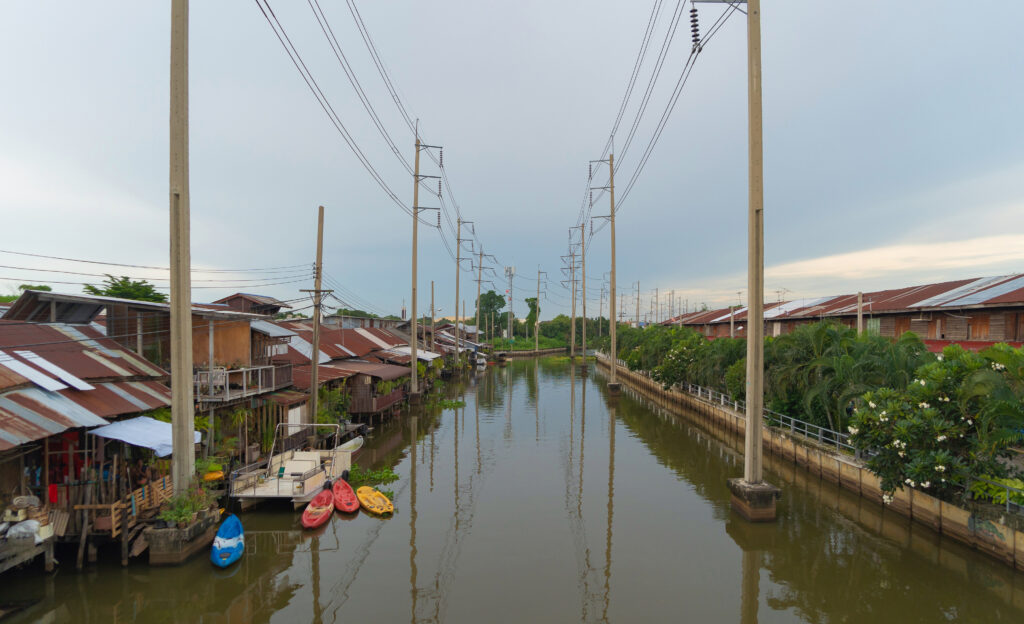
Scenario: A family lives right under high-voltage power lines in their city, but they cannot pay for a connection.
What kind of energy poverty is this family experiencing most directly?
(1) Unaffordability
(2) Unavailability
(3) Unreliability
(4) Unsafe conditions
Extend: Describe a real-life situation of each type of energy poverty.
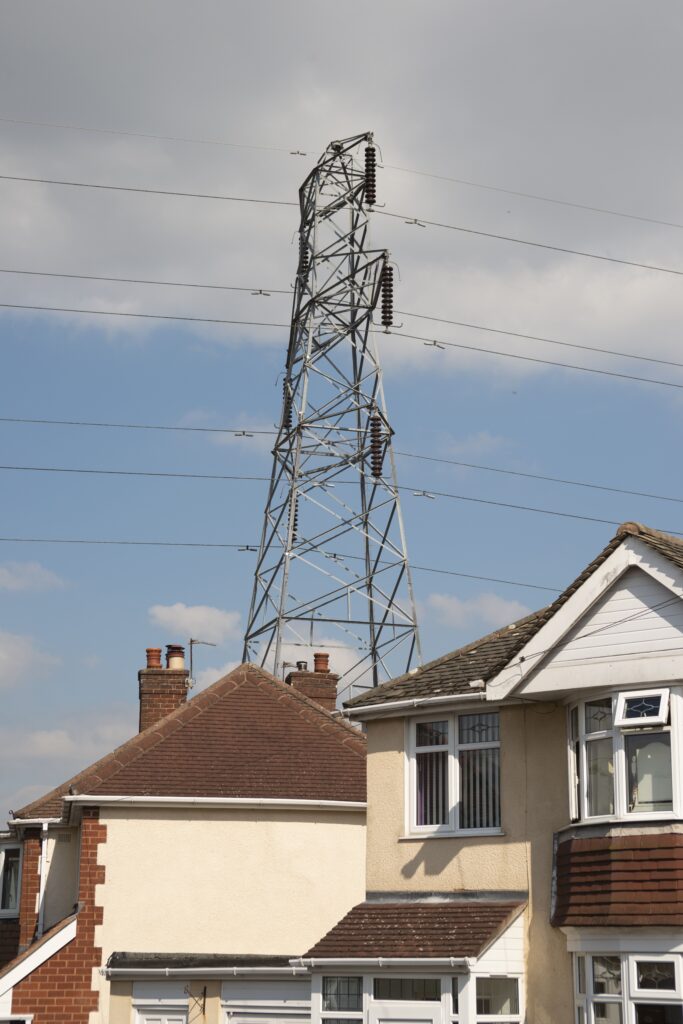
“You can be inches away from modern power and still be trapped in energy poverty.”
How does this quote challenge the idea that building more power lines (infrastructure) solves energy poverty?
If energy isn’t affordable, reliable, or safe, what are the specific impacts for people?