Hydropower in Africa – Bell Ringer
Summary
Students start class by working out how the Grand Ethiopian Renaissance Dam turns stored river water into electricity, then weigh the benefits and tradeoffs of large-scale hydropower projects. Three short prompts move from mechanics to stakeholder impact to a country-level decision involving environmental, economic, and social factors. Built as a high school bell ringer, it works as a quick warm-up for an energy unit or a standalone discussion starter.
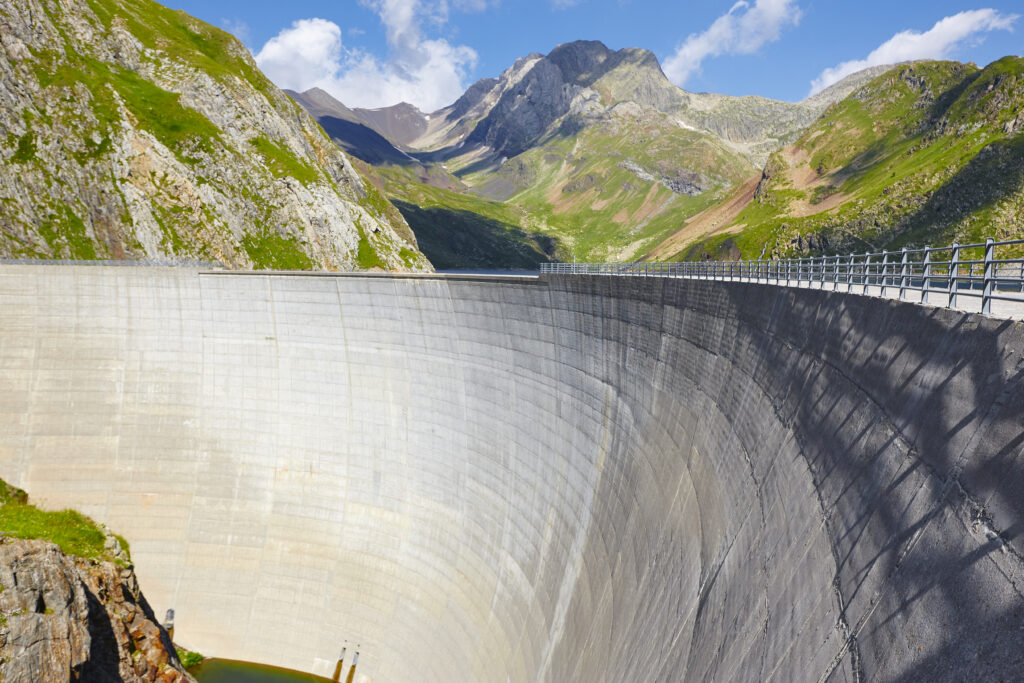
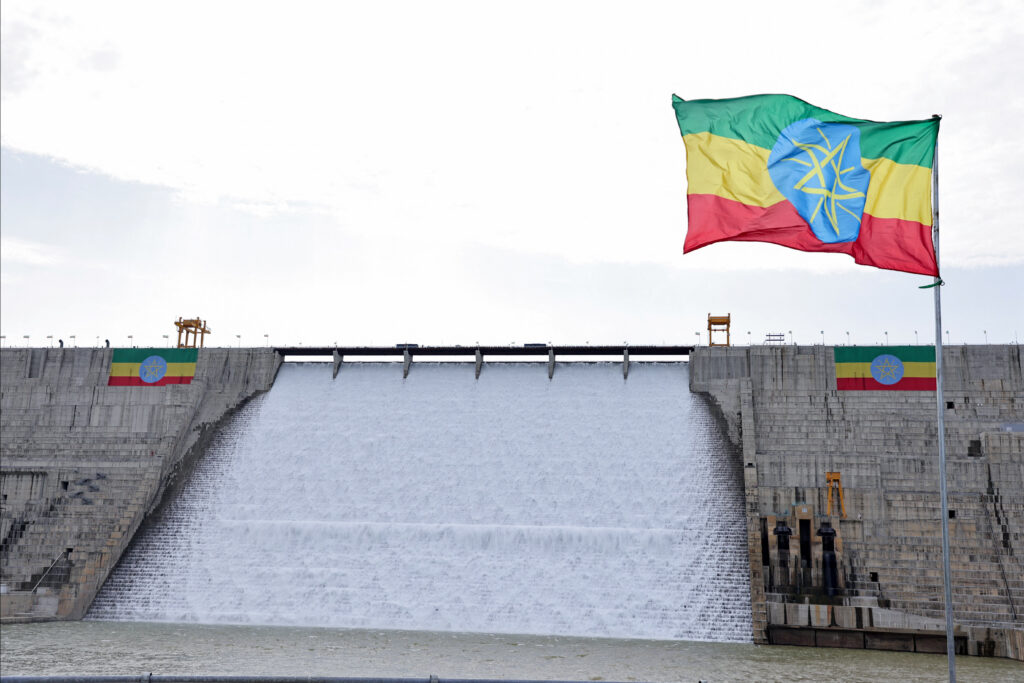
This picture shows the Grand Ethiopian Renaissance Dam (GERD). This massive hydroelectric dam holds back water from the Blue Nile River to create electricity for millions of people in Ethiopia.
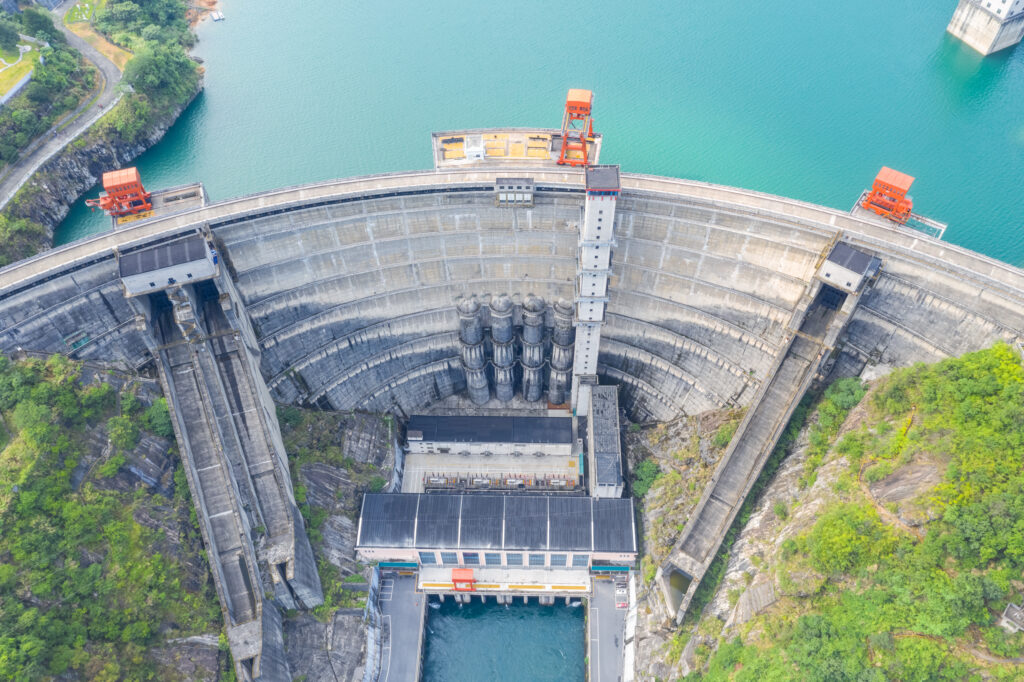
How does stored water behind a dam get turned into electricity?
What is one benefit and one drawback of building a large hydroelectric dam, and who (or what) is affected by each?
Large hydroelectric dams can generate low-carbon energy for millions of people, but they can also change ecosystems and affect the livelihoods of people living nearby or downstream.
Name one environmental factor, one economic factor, and one social factor a country should consider when deciding whether to build a large hydroelectric dam.