Developing on Coal – Bell Ringer
Summary
Students weigh the trade-offs of coal development through three short scenarios: mining near a community park, choosing a heating fuel in a cold climate, and coal’s role in industrialization. Each prompt asks for a reasoned position rather than a single correct answer. Works as a quick warm-up for a high school Earth or Environmental Science energy unit.
Imagine a town has a large park and green space where people play, relax, and spend time outside. However, the town has very limited electricity and few job opportunities.
One day, the town learns there is coal underground near the park. Mining it could create jobs and help provide energy, but it could also disturb the land, affect water, and increase local air pollution and CO2 emissions. Depending on how the coal is mined, some of the park and nearby area could be damaged or changed.
Should the town allow coal mining near the park or protect the park and look for other solutions? Explain your reasoning.

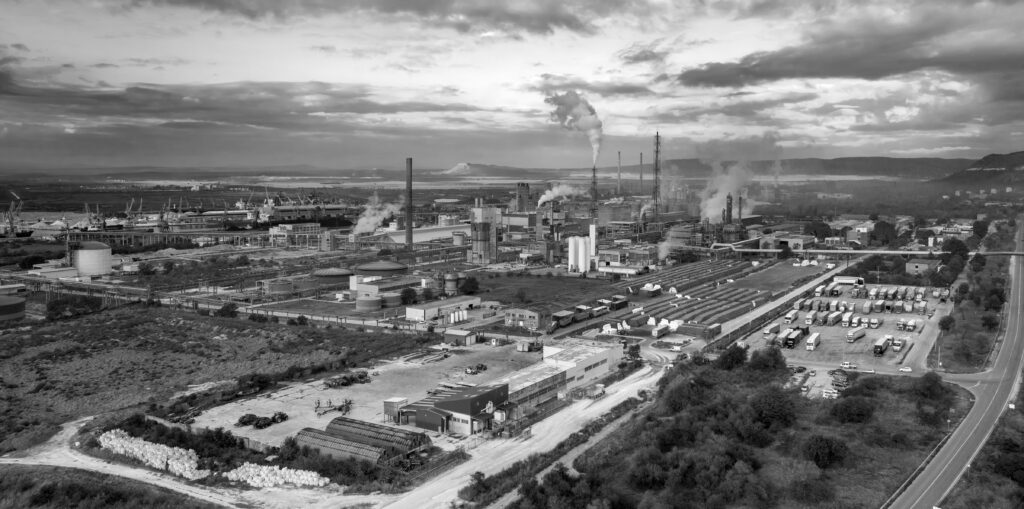
In some cold climate regions, people rely on fuels like coal or heating oil because they are affordable, but they produce high levels of air pollution and CO₂. Fuels with lower emissions exist, but they often cost more.
In a region with very cold winters, ensuring reliable heating for everyone is essential.
One option is a widely available, low-cost fuel that creates more pollution. Another option produces less emissions but is more expensive and harder to scale quickly.
What should leaders prioritize when making this decision?
Economic growth requires large amounts of reliable and affordable energy.
How has coal met those needs during industrialization, in the past and today? Give one example of each.